

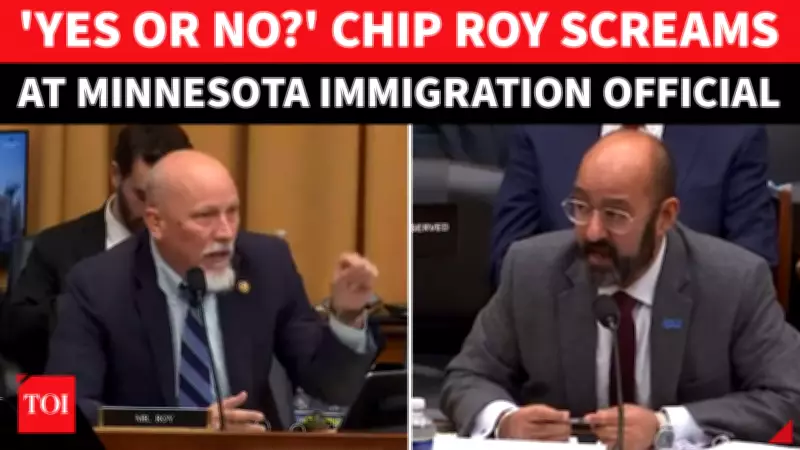
Minnesota Official Stammers as Chip Roy Demands Clarity on ICE's Role
A congressional hearing erupted into a tense confrontation when Representative Chip Roy pressed a Minnesota official on a fundamental question regarding immigration enforcement. The exchange, which occurred on February 9, 2026, quickly captured national attention as it highlighted the volatile debate over public safety and border security.
The Viral Moment of Hesitation and Deflection
During the hearing, Rep. Roy directed a pointed inquiry at the Minnesota official, asking: "Should Immigration and Customs Enforcement be allowed to remove dangerous actors from the country or not?" What followed was a moment of palpable discomfort, with the official hesitating, deflecting, and struggling to formulate a clear response. This visible stammering was captured on video and rapidly spread across social media platforms, fueling widespread discussion and outrage.
The official's inability to provide a straightforward answer underscored the political complexities surrounding immigration policy. Observers noted that the hesitation reflected deeper ideological divides, with some interpreting it as reluctance to endorse aggressive enforcement measures, while others saw it as evidence of bureaucratic evasion.

Exposing Fractures in National Immigration Debate
This confrontation did more than just create a viral moment; it laid bare significant fractures in the ongoing national conversation about immigration. Key issues brought to the forefront include:
- Public Safety Priorities: The question directly ties immigration enforcement to community safety, forcing officials to weigh enforcement actions against potential humanitarian concerns.
- Political Accountability: The exchange raised uncomfortable questions about whether elected and appointed officials are adequately addressing the risks posed by individuals with criminal backgrounds who are in the country illegally.
- Enforcement Discretion: It highlighted the ongoing debate over how much latitude ICE should have in prioritizing removals, particularly when dealing with individuals deemed "dangerous."
The clash on Capitol Hill has intensified scrutiny on how immigration policies are implemented and communicated to the public. Lawmakers from both sides of the aisle have referenced the incident in subsequent discussions, using it as a case study in the challenges of balancing enforcement with due process.
Broader Implications for Policy and Public Perception
This viral exchange is likely to have lasting repercussions beyond the hearing room. It has:
- Amplified Calls for Clarity: Advocacy groups and policymakers are demanding more transparent guidelines on ICE's removal protocols, especially concerning individuals with criminal records.
- Fueled Political Narratives: The incident has been leveraged by various political factions to bolster arguments for either stricter enforcement or more compassionate immigration reforms.
- Increased Public Engagement: As the video circulates, it has sparked broader public discourse on the role of federal agencies in maintaining national security and upholding the law.
Ultimately, the stammering response from the Minnesota official serves as a microcosm of the larger, often contentious, debate over immigration in the United States. It underscores the difficulty officials face when navigating politically charged questions that have no easy answers, while also reminding the public of the high stakes involved in these policy decisions.






