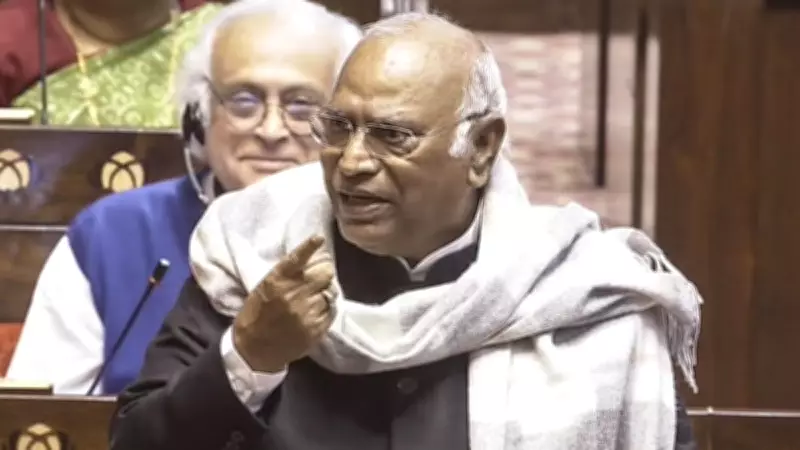
Centre Slams Opposition Over LPG Price Discussion in Rajya Sabha
The political atmosphere in India's upper house of Parliament, the Rajya Sabha, turned tense as the central government launched a sharp rebuke against the opposition. This came after Congress leader and Leader of Opposition in Rajya Sabha, Mallikarjun Kharge, raised concerns about the soaring prices of liquefied petroleum gas (LPG) cylinders, a critical issue affecting millions of households across the nation.
Kharge's Intervention on LPG Affordability
During a session in Rajya Sabha, Mallikarjun Kharge highlighted the escalating cost of LPG, emphasizing its impact on common citizens, particularly in rural and low-income areas. He pointed out that the price hikes have made cooking gas increasingly unaffordable, straining family budgets and raising questions about the government's commitment to public welfare. Kharge's remarks were part of a broader critique of economic policies, urging the administration to address this pressing concern promptly.
Government's Strong Retort: Allegations of Anarchy
In response, the Centre, represented by ministers in Rajya Sabha, accused the opposition of attempting to bring anarchy through such discussions. Government spokespersons argued that raising the LPG issue in this manner was not a constructive debate but a deliberate move to disrupt parliamentary proceedings and create chaos. They defended their policies, stating that measures are in place to cushion the impact on vulnerable sections, and criticized the opposition for politicizing essential commodities.
This exchange underscores the deepening political rift over economic management and governance. The government's characterization of the opposition's actions as anarchic has sparked controversy, with critics labeling it as an overreaction to legitimate public concerns. Meanwhile, supporters of the administration contend that such debates should focus on solutions rather than blame.
Broader Implications for National Politics
The incident reflects ongoing tensions between the ruling party and opposition groups in India's political landscape. Key points from the debate include:
- Economic Policies: The LPG price issue ties into larger discussions about inflation and living costs, which are central to political campaigns and public discourse.
- Parliamentary Conduct: Accusations of anarchy raise questions about the tone and decorum in legislative bodies, potentially affecting future deliberations.
- Public Perception: How citizens view this clash could influence electoral dynamics, as affordability of essentials remains a top priority for voters.
As the debate continues, both sides are expected to leverage this episode in their political narratives. The opposition may use it to highlight economic hardships, while the government might frame it as part of a pattern of obstructionism. This development adds to the series of confrontations in Parliament, shaping the trajectory of India's democratic processes and policy-making.