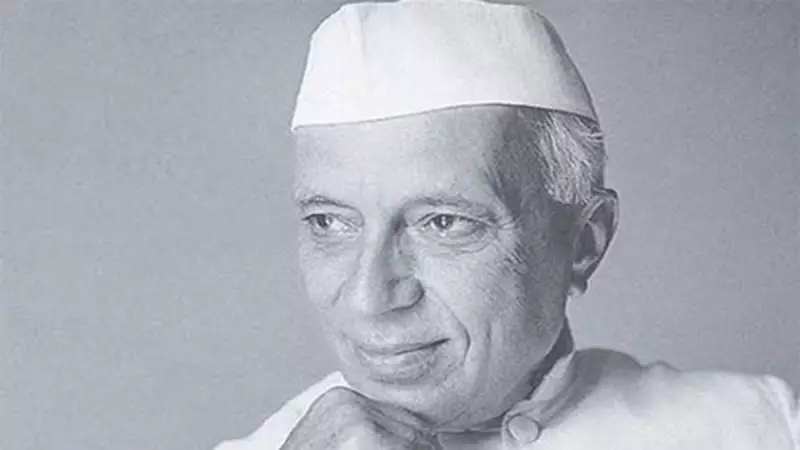
The central government has issued a definitive clarification regarding the whereabouts of former Prime Minister Jawaharlal Nehru's personal papers, stating they are not missing. This statement comes in response to a political controversy where the Congress party demanded an apology from the government for allegedly spreading misleading information.
The Core of the Controversy
The dispute revolves around the custody of a significant collection of Jawaharlal Nehru's papers. The government, in its official clarification, stated that these historical documents were formally transferred to Congress leader Sonia Gandhi back in the year 2008. This transfer was reportedly executed by the Nehru Memorial Museum and Library (NMML), which falls under the administrative control of the Ministry of Culture.
According to the government's account, the process was initiated following a request from Sonia Gandhi herself. The papers were subsequently moved from the NMML to the National Archives of India (NAI) for the purpose of this handover. The government's position is that this closed chapter from 17 years ago is being unnecessarily politicized now.

Congress's Counter and Demand for Apology
The Congress party has strongly rebutted the government's narrative. Party leaders have accused the ruling dispensation of orchestrating a "false and malicious campaign" by initially suggesting that these invaluable national archives were lost or missing. They argue that the government's own records prove the transfer, making the earlier claims deliberately misleading.
In light of this clarification, the principal opposition party has escalated its demand for a formal apology from the government. Congress spokespersons have emphasized that questioning the location of documents, whose transfer is documented within the government's own archives, constitutes a serious attempt to distort historical legacy and mislead the public.
Institutional Procedure and Historical Context
The incident highlights the procedures governing the custody of personal papers of national figures. Institutions like the NMML and the National Archives are the standard repositories for such materials. The transfer in 2008, as cited, would have involved formal protocols between these institutions and the recipient.
Jawaharlal Nehru's papers are considered a crucial resource for historians and researchers studying the formative years of independent India. Their preservation and accessibility are matters of significant public and academic interest, which explains the heightened sensitivity surrounding their custody.
Political Repercussions and Next Steps
This clarification has intensified the political war of words between the Congress and the BJP-led government. The Congress is leveraging the government's statement to assert that it was falsely targeted. The broader debate now touches upon themes of historical preservation, political legacy, and the use of state institutions.
As of now, the government has presented its version based on the 2008 transfer records. The Congress continues to press for accountability for the initial statements that sparked the controversy. The issue is likely to feature prominently in parliamentary debates and political discourse, especially concerning the management of the country's historical archives.
The ball now lies in the public domain, with citizens and historians alike watching how the custodians of the nation's history manage its most precious documents. The demand for an apology remains unmet, setting the stage for further political confrontation.