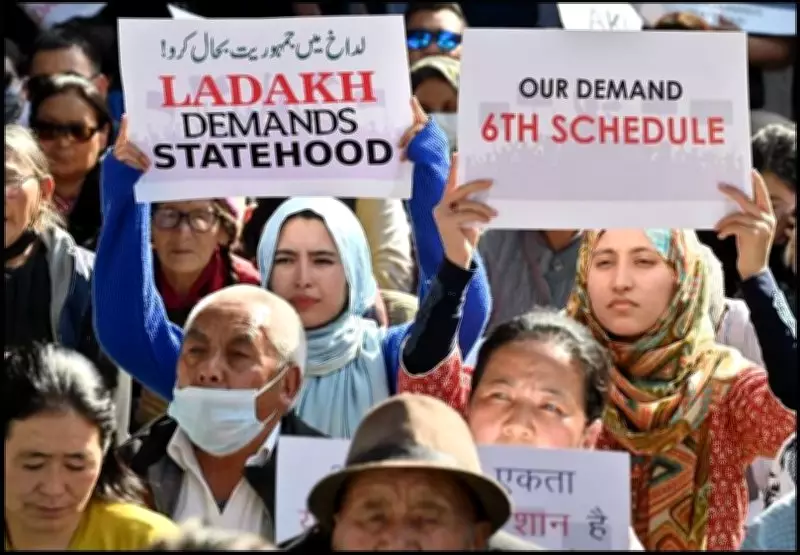
The much-anticipated high-powered committee meeting between the Central Government and representatives from the Union Territory of Ladakh has concluded without reaching a definitive resolution. The discussions, which were held in New Delhi, remained inconclusive, leaving several critical demands from the Ladakhi side unaddressed. This outcome marks another chapter in the ongoing dialogue aimed at addressing the region's political and developmental aspirations.
Key Demands Remain Unresolved
During the meeting, the Ladakh delegation, comprising members from the Leh Apex Body (LAB) and the Kargil Democratic Alliance (KDA), reiterated their core demands. These include the implementation of the Sixth Schedule of the Constitution, which would grant tribal status and autonomy to the region, as well as the establishment of a separate Public Service Commission for Ladakh. Additionally, the representatives pushed for greater job reservations for local residents and enhanced legislative powers for the Hill Councils in Leh and Kargil.
Centre's Response and Future Steps
The Central Government, led by Minister of State for Home Affairs, Nityanand Rai, acknowledged the concerns raised by the Ladakhi representatives. However, no concrete commitments were made regarding the Sixth Schedule or other major demands. The Centre emphasized the need for further deliberations and assured that the dialogue process would continue. Both parties have agreed to hold another round of talks in the near future, though no specific date has been finalized.

Background and Significance
Ladakh was granted Union Territory status in August 2019, following the abrogation of Article 370. Since then, various groups in the region have been advocating for greater autonomy and safeguards to protect their unique cultural identity and land rights. The high-powered committee was formed by the Centre in January 2023 to address these grievances and find a mutually acceptable solution.
Reactions from Ladakhi Leaders
Leaders from the Leh Apex Body and Kargil Democratic Alliance expressed disappointment over the inconclusive nature of the talks. They highlighted the urgency of resolving these issues to ensure peace and development in the region. Despite the setback, they remain hopeful that future discussions will yield positive outcomes and reiterated their commitment to peaceful dialogue.
The inconclusive talks underscore the complexities involved in balancing regional aspirations with national interests. As Ladakh continues to navigate its post-2019 political landscape, the outcome of these negotiations will be closely watched by stakeholders across the country.