CEC Gyanesh Kumar Explains Decision for Two-Phase West Bengal Assembly Polls
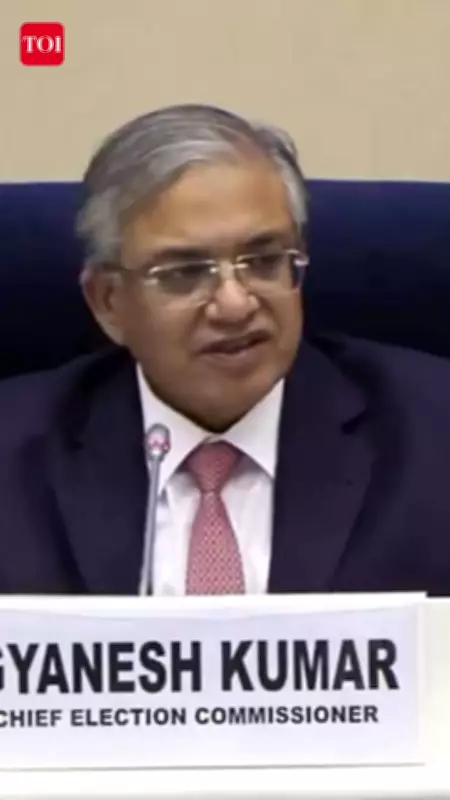
In a significant announcement from New Delhi, Chief Election Commissioner Gyanesh Kumar provided a detailed explanation for the Election Commission of India's decision to conduct the upcoming West Bengal Assembly Elections in just two phases. This marks a substantial reduction from the eight phases observed in previous elections, a move that has garnered widespread attention and analysis.
Rationale Behind the Two-Phase Poll Schedule
Gyanesh Kumar emphasized that the decision was not made hastily but followed extensive and detailed deliberations by the Election Commission. The primary objective, as stated by Kumar, is to enhance voter convenience and streamline the overall management of the polling process. By consolidating the elections into two phases, the Commission aims to reduce logistical complexities and ensure a smoother, more efficient electoral exercise for all stakeholders involved.
This strategic shift is expected to minimize disruptions and facilitate greater participation from the electorate, thereby strengthening the democratic framework in the state. Kumar highlighted that the Commission's focus remains on upholding the integrity and fairness of the electoral process while prioritizing the needs of voters.

Additional Measures Announced by the Election Commission
In addition to the phased polling decision, CEC Gyanesh Kumar disclosed several other critical measures being implemented by the Election Commission. Notably, the Commission has formally requested a comprehensive list of police officers who were allegedly involved in incidents of violence during previous elections. Kumar assured that appropriate legal action will be taken against those found culpable, reinforcing the Commission's commitment to maintaining law and order during the polls.
Furthermore, Kumar confirmed that supplementary voter lists, which have been prepared under specific court directions, will be seamlessly integrated into the existing electoral roll. This step is crucial to ensure that all eligible voters are duly registered and can exercise their franchise without any hindrance.
Implications for West Bengal's Political Landscape
The decision to hold the West Bengal Assembly Elections in two phases is poised to have far-reaching implications for the state's political dynamics. Political analysts suggest that this streamlined approach could influence campaign strategies and voter turnout patterns. By reducing the number of phases, the Election Commission aims to create a more focused and secure environment for conducting the polls.
The announcement underscores the Election Commission's proactive stance in adapting electoral procedures to contemporary challenges. As West Bengal prepares for this pivotal electoral event, the measures outlined by CEC Gyanesh Kumar are expected to play a pivotal role in ensuring a transparent, orderly, and inclusive voting process.