The Indian automotive industry has rallied behind the government's E20 ethanol fuel mandate, pushing back against a wave of criticism on social media. The fuel, a blend of 20% ethanol and 80% petrol, has faced mounting scrutiny from motorists who fear it could damage older vehicles not designed for such high ethanol content.
Industry defends safety and standards
Automakers argue that E20 is safe for all vehicles manufactured after 2020, as these models have been engineered to handle the blend. The Society of Indian Automobile Manufacturers (SIAM) issued a statement emphasizing that extensive testing has shown no significant risk of corrosion or performance loss. "Vehicles produced since the introduction of Bharat Stage VI norms are fully compatible with E20," a SIAM spokesperson said.
The government's ethanol blending program aims to reduce oil imports and cut carbon emissions. India targets a 20% ethanol blend by 2025, up from the current 10% (E10). The push has accelerated as the country seeks to meet its climate goals under the Paris Agreement.

Social media concerns gain traction
Despite industry assurances, social media platforms have seen a surge in complaints. Users have posted images of alleged fuel system corrosion and engine deposits, claiming these issues arose after using E20. One viral post claimed that a 2018 model car suffered fuel pump failure within weeks of switching to the blend. However, SIAM dismissed such reports as anecdotal and urged users to report incidents to manufacturers for proper investigation.
"We take all consumer feedback seriously, but we must rely on scientific data rather than isolated cases," the spokesperson added. The industry body also noted that ethanol is a solvent that can clean deposits, but older vehicles may require fuel system cleaning before transitioning.
Government and industry collaboration
The Ministry of Petroleum and Natural Gas has backed the industry's stance, stating that extensive trials were conducted before rolling out E20. A ministry official, speaking on condition of anonymity, said: "The transition to E20 is gradual, and we are working with automakers to ensure service networks are prepared to address any issues."
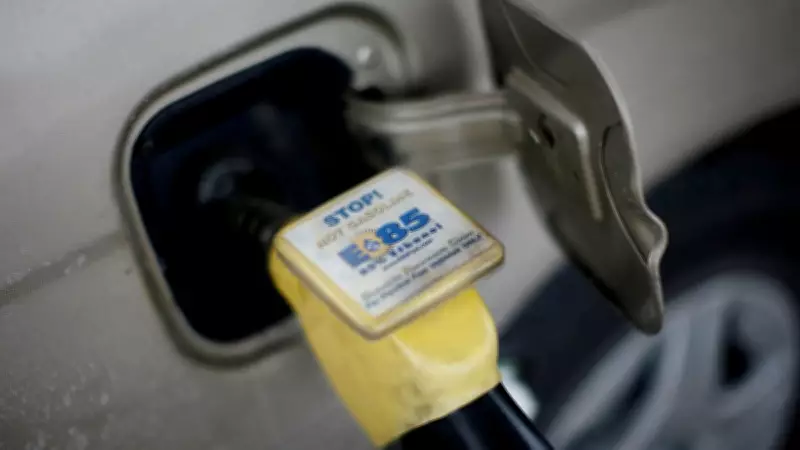
India's ethanol production capacity has expanded rapidly, with distilleries producing over 1,000 crore liters annually. The government has also incentivized the production of flex-fuel vehicles that can run on higher ethanol blends, up to E85.
Impact on consumers and future outlook
For consumers with older cars, the industry recommends checking manufacturer guidelines. Most vehicles manufactured before 2020 may require modifications to use E20 safely. SIAM advises owners to consult authorized service centers before switching.
The backlash highlights the challenges of implementing a national fuel policy that affects millions of vehicles. As India pushes forward with its ethanol roadmap, clear communication and consumer education will be critical to maintaining public trust.