Calcutta High Court Lawyers Decode Bengal Government's Legal Troubles: Inside the Courtroom Critique
Before the West Bengal elections, a major legal and institutional debate is unfolding across courtrooms in the state and beyond. The Mamata Banerjee government has faced a series of judicial setbacks in recent years, including disputes over dearness allowance, the school recruitment scam involving over 25,000 cancelled appointments, and ongoing litigation around OBC classification.
Broader Governance Concerns Highlighted by Legal Experts
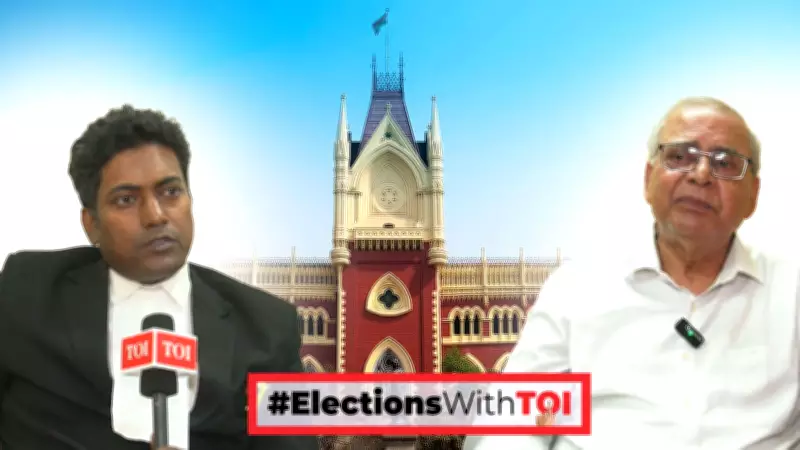
However, lawyers at the Calcutta High Court suggest the issue is not limited to case outcomes. They highlight broader concerns around governance practices, coordination gaps between departments, and legal strategies that often appear reactive rather than cohesive.
The situation escalated after the Mothabari incident in Malda, where judicial officers engaged in election-related duties were allegedly held hostage. The Supreme Court termed it a serious challenge to judicial authority and ordered a central agency probe into the matter.

Supreme Court Interventions and Political Significance
The ongoing SIR voter issue has further intensified legal scrutiny, with the Supreme Court emphasising safeguards to prevent wrongful exclusion of voters. Chief Minister Mamata Banerjee’s personal appearance before the Supreme Court in the SIR matter underscored the political and legal significance of the dispute.
At a broader level, India continues to face a massive judicial backlog, with nearly 5 crore pending cases in lower courts, highlighting systemic challenges that go beyond any single state or government.
Institutional Strain Under Political Pressure
The emerging concern among legal observers is whether institutional functioning, across government, judiciary, and enforcement, is becoming increasingly strained under political and administrative pressure.
Legal experts point to a pattern where governance decisions appear to be made without adequate legal vetting, leading to courtroom battles that could have been avoided with better planning and coordination.
This has created a situation where the government finds itself constantly defending its actions in court rather than proactively shaping policies that withstand legal scrutiny.
Systemic Issues in Indian Judiciary
The broader context of India's judicial backlog—with approximately 50 million cases pending in lower courts—adds another layer of complexity to West Bengal's legal challenges. This backlog affects all states and governments, creating delays that can exacerbate political tensions and governance issues.
Legal observers note that while West Bengal's situation has unique political dimensions, it reflects systemic problems in how governments interact with judicial institutions across India.
The combination of election pressures, governance gaps, and judicial interventions has created a perfect storm of legal challenges for the Bengal administration as it prepares for crucial electoral battles.