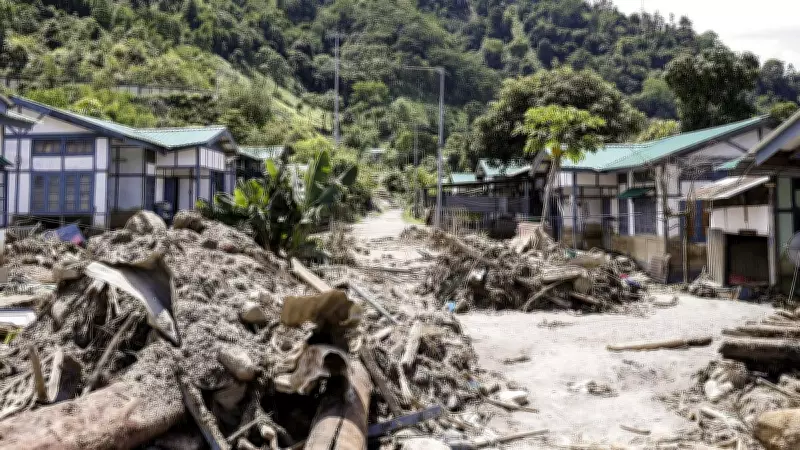
The Union Cabinet on Wednesday reviewed the ongoing flood situation in the northeastern states and assessed the rainfall deficit affecting other parts of the country. According to the India Meteorological Department (IMD), rainfall is likely to be below normal in most parts of the country during July, raising concerns for agriculture and water resources.
Flood Situation in Northeast
Heavy rains over the past week have triggered floods and landslides in several northeastern states, including Assam, Arunachal Pradesh, and Meghalaya. The Cabinet took stock of the relief and rescue operations, with the National Disaster Response Force (NDRF) and state authorities deployed in affected areas. Thousands of people have been displaced, and damage to infrastructure has been reported.
Rainfall Deficit in Other Regions
While the Northeast faces excess rainfall, many other parts of the country, especially central and western regions, are experiencing a deficit. The IMD's forecast indicates that July, a crucial month for the monsoon season, will see below-normal precipitation across most of India. This could impact the sowing of kharif crops and exacerbate water scarcity in drought-prone areas.

Government Response and Measures
The Cabinet directed concerned ministries to coordinate with state governments to ensure timely assistance. The Ministry of Home Affairs is monitoring the situation, and the Ministry of Agriculture is preparing advisory for farmers to mitigate potential crop losses. The government also emphasized the need for efficient water management and contingency planning.
Expert Opinions and Attribution
According to IMD officials, the weak monsoon is attributed to the absence of strong monsoon troughs and the influence of weather systems in the Pacific. The forecast is based on current atmospheric conditions and climate models. The Cabinet's review underscores the government's focus on disaster preparedness and climate resilience.