BJP Leader Accuses Kejriwal of Intolerance Toward Capable AAP Figures
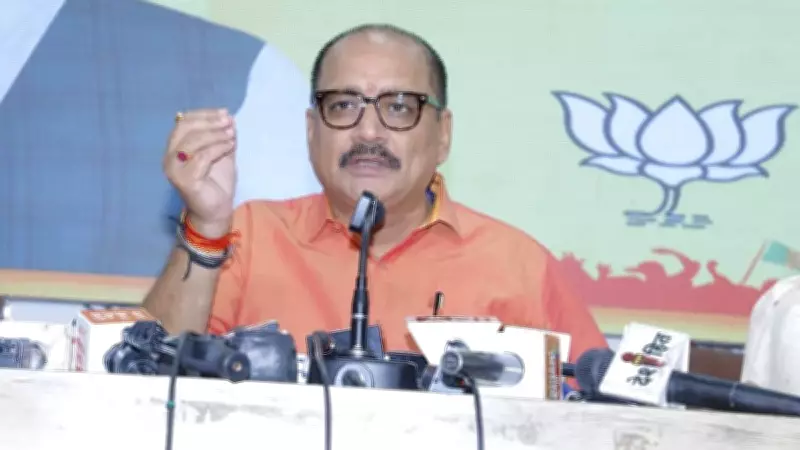
In a recent political development, Bharatiya Janata Party (BJP) leader Virendra Sachdeva has made a striking allegation against Delhi Chief Minister and Aam Aadmi Party (AAP) national convener Arvind Kejriwal. Sachdeva claimed that Kejriwal is unable to tolerate any capable person within the AAP ranks, sparking controversy and debate in Indian political circles.
Backing Raghav Chadha Amid Speculation
The comments came during a discussion about AAP leader Raghav Chadha, a prominent figure known for his articulate speeches and political acumen. Sachdeva expressed support for Chadha, suggesting that his talents might be underappreciated in the current AAP setup. This has fueled ongoing speculation about Chadha's political future and potential alignment with other parties.
When questioned about rumors that Chadha might consider joining the BJP, Sachdeva provided a measured response. He stated that it is ultimately "up to Chadha to decide his future," emphasizing personal choice in political careers. This remark has been interpreted as both a diplomatic acknowledgment and a subtle invitation, reflecting the fluid nature of contemporary Indian politics.

Political Implications and Reactions
The allegations by Sachdeva touch on broader themes of leadership and internal dynamics within political parties. Key points include:
- Leadership Style Critique: Sachdeva's statement implies that Kejriwal's leadership may stifle talent, a claim that could resonate with critics of AAP's hierarchical structure.
- Party Loyalty Questions: The focus on Chadha highlights ongoing tensions and possible disillusionment among AAP members, raising questions about party cohesion.
- Strategic Moves: The BJP's interest in Chadha suggests a strategy to attract capable leaders from opposition parties, potentially weakening AAP's electoral prospects.
As of April 3, 2026, these developments have garnered significant media attention, with analysts weighing in on the potential reshuffling of political alliances. The AAP has yet to issue an official response, but supporters have dismissed the claims as baseless propaganda aimed at destabilizing the party.
This incident underscores the intense rivalry between the BJP and AAP, particularly in Delhi and other regions where both parties vie for dominance. It also reflects the personalization of politics, where individual capabilities and relationships often dictate public narratives and party trajectories.