

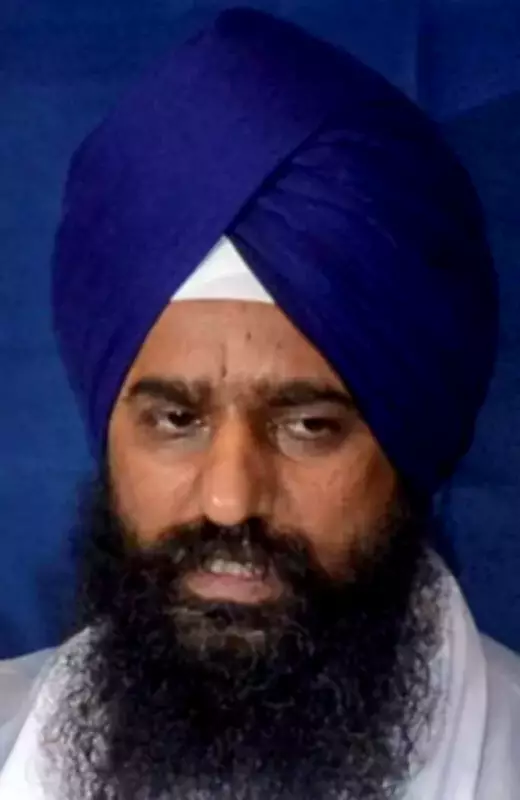
In a significant development from Amritsar, the Bharatiya Janata Party (BJP) has strongly opposed the recent ban imposed by the officiating jathedar of the Akal Takht, Giani Kuldeep Singh Gargaj. This controversial restriction prohibits the media, social media platforms, and various stakeholders from discussing the sensitive issue of 328 missing saroops, which has created considerable concern within the Sikh community.
Violation of Core Sikh Principles
Punjab BJP spokesperson Sarchand Singh has categorically termed this move as a direct violation of fundamental Sikh principles, panthic traditions, and the essential spirit of the Indian Constitution. In an official release issued from Amritsar on Monday, Singh elaborated on the core values of Sikhism that emphasize truth, justice, and moral courage.
The Essence of Sikh Tradition
Sarchand Singh emphasized that the fundamental principle of Sikhism revolves around speaking truth fearlessly, raising one's voice against injustice, and questioning oppression wherever it exists. He highlighted that the revered panthic slogan "Jo Bole So Nihal" represents much more than a mere chant—it symbolizes Sikh consciousness, unwavering resolve, and profound moral courage that has defined the community for centuries.

"Any attempt to silence voices through restrictions runs completely contrary to established Sikh tradition and values," Singh asserted, making it clear that the BJP views this ban as fundamentally incompatible with Sikh religious philosophy.
Limitations of Religious Authority
The BJP spokesperson clarified his position regarding religious authority, stating that the role of a jathedar should be strictly limited to safeguarding religious principles and maintaining proper maryada—the Sikh code of religious conduct. He argued that this authority should not extend to curbing media freedom, restricting democratic questioning, or infringing upon citizens' constitutional rights.
Collective Concern Beyond Institutions
Sarchand Singh made a crucial distinction regarding the nature of the 328 missing saroops issue, stating that this matter transcends the jurisdiction of any single institution or government body. "This is a collective concern of the entire panth and the broader Sikh community worldwide," he emphasized, suggesting that attempts to limit discussion represent a misunderstanding of the issue's significance.
The BJP leader criticized the justification of "media trial" as a reason for imposing silence, arguing that such restrictions neither protect the truth nor respect genuine Sikh sentiments. "Truth can only be protected through transparency, accountability, and open dialogue—not through artificial restrictions that stifle legitimate discussion," Singh added, presenting an alternative framework for addressing sensitive religious matters.
Questionable Double Standards
Terming the current situation as particularly alarming, the BJP spokesperson pointed to what he described as troubling inconsistencies in how different parties are being treated regarding this issue. While investigative agencies and the Shiromani Gurdwara Parbandhak Committee (SGPC) continue to operate under public scrutiny, Sikh intellectuals, journalists, and the general sangat are being instructed to remain silent.
"Such a double standard is deeply disappointing and completely unacceptable in a democratic society that values religious freedom and open discourse," Singh declared, highlighting the perceived imbalance in how different stakeholders are being permitted to engage with this critical matter.
The BJP's strong opposition to the media ban represents a significant political intervention in a sensitive religious issue, bringing constitutional principles into direct conversation with traditional religious authority structures. This development underscores the complex interplay between religious governance, media freedom, and democratic values in contemporary Indian society.






