CPM Leader Claims BJP Government Fears Gandhi's Legacy, Points to MGNREGA Name Removal
In a sharp critique of the ruling Bharatiya Janata Party (BJP) at the Centre, CPM central control commission chairman G Ramakrishnan alleged on Thursday that the government remains "afraid of Mahatma Gandhi and his ideals." Speaking in Coimbatore, Ramakrishnan asserted that this fear is the primary reason behind the recent removal of Gandhi's name from the Mahatma Gandhi National Rural Employment Guarantee Act (MGNREGA) scheme.
Event Marks Gandhi's Martyrdom Anniversary with Focus on Communal Resistance
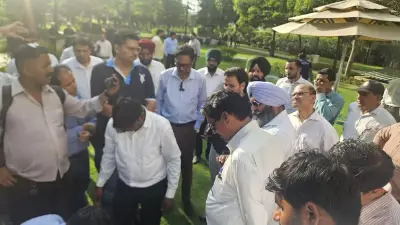
Ramakrishnan made these remarks on the sidelines of a seminar and art exhibition titled "Resistance to Communal Politics," organized by the Coimbatore People's Unity Forum to commemorate Gandhi's martyrdom anniversary. The event served as a platform to discuss contemporary political challenges while honoring Gandhi's legacy.
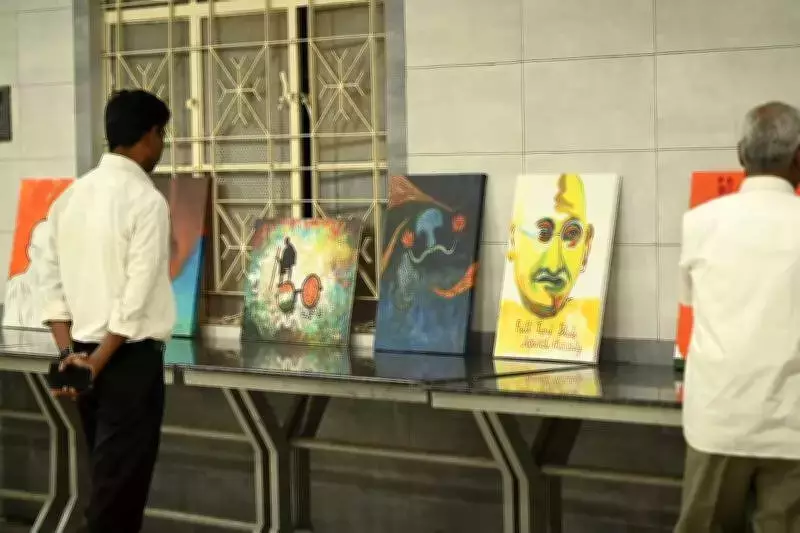
More than twenty paintings created by students of renowned artist S Chandru were displayed at the exhibition, attracting visitors from across Coimbatore. These artworks depicted themes of communal harmony and resistance, adding a visual dimension to the discussions.

Historical Context and Allegations of Ideological Succession
Later, while addressing the press, Ramakrishnan reflected on historical events, noting that 78 years ago, Gandhi was assassinated by Nathuram Godse during a period of widespread communal violence following India's Independence. He emphasized Gandhi's role in traveling to conflict zones to restore peace, stating, "Whenever religious clashes erupted, Gandhi travelled to those places to restore harmony. He stood firmly for secularism, communal unity, and peace. That is precisely why he was killed."
Ramakrishnan further alleged that the ideological successors of Godse are now in power and are actively attempting to transform India into a Hindutva-driven state. He connected this to the MGNREGA name change, saying, "The removal of Gandhi's name from the rural employment scheme shows that the BJP government still fears Gandhi's legacy." He added that there are ongoing efforts to erase Gandhi's memories from public life, viewing it as part of a broader ideological agenda.
Art as a Medium to Highlight Continuing Threats
Former Tamil Nadu Minorities Welfare Commission chairman Peter Alphonse, who also spoke at the event, highlighted the significance of the art exhibition. He explained that the paintings portrayed Gandhi's assassination from multiple perspectives and underscored the continuing threat of communal and fascist forces in modern India.
Alphonse remarked, "The paintings explain how Gandhi's murder impacted the nation and how the same forces continue to function even today." He criticized the present government's ideology, stating it is fundamentally opposed to Gandhian values such as secularism, social justice, democracy, and inclusive economic development.
Emphasizing the enduring relevance of Gandhi's ideas, Alphonse said, "As long as Gandhi's name and ideas survive, divisive forces cannot succeed. That is why there are attempts to erase him." He described the exhibition as a powerful reminder, concluding, "Gandhi continues to live in this land—and this exhibition stands as proof."
Broader Implications for Indian Politics and Society
The event in Coimbatore not only commemorated Gandhi's martyrdom but also sparked a dialogue on current political dynamics. The allegations made by Ramakrishnan and Alphonse point to a deeper ideological clash between Gandhian principles and the ruling party's agenda. The use of art to convey these messages adds a cultural layer to the political discourse, engaging the community in reflection and resistance.
This incident highlights ongoing debates about historical legacy, communal harmony, and governance in India, with Coimbatore emerging as a focal point for such discussions. As political tensions persist, events like these serve as critical platforms for expressing dissent and preserving democratic values.