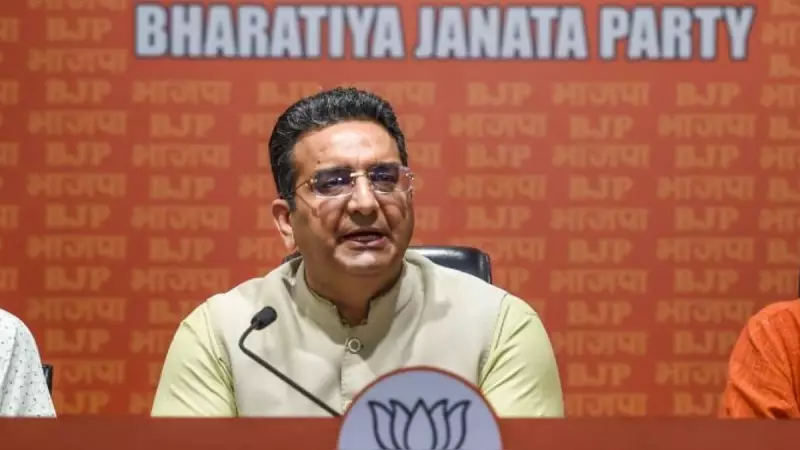
The Bharatiya Janata Party (BJP) has launched a sharp counterattack against the Congress party's allegations that its leader, Rahul Gandhi, was not invited to an official dinner hosted for Russian President Vladimir Putin. The political row intensified on December 6, 2025, with BJP spokesperson Gaurav Bhatia leading the charge.
The Core of the Controversy
Addressing the media, Gaurav Bhatia refuted the Congress's charge, pointing to a pattern of behaviour from the opposition leader. He asserted that Rahul Gandhi had skipped invitations on earlier occasions for official events. This statement was presented as a direct rebuttal to the Congress's complaint about the missing invite for the high-profile dinner in honour of President Putin.
BJP's Emphasis on Duty Over Rights
Bhatia further escalated the argument by drawing a contrast between rights and responsibilities. He remarked that while Gandhi was speaking about his fundamental rights, he was conspicuously silent on the subject of his fundamental duty. This framing aimed to shift the narrative from a perceived snub to a question of consistent conduct and national responsibility expected from a senior political figure.

The BJP's counter effectively turned the tables on the Congress, suggesting the issue was not about an isolated omission by the government but about a recurring choice made by the opposition leader himself. The party's messaging sought to portray the Congress's grievance as insincere, given past instances where similar opportunities for engagement were reportedly declined.
Political Repercussions and Narrative Battle
This exchange highlights the ongoing, fierce narrative battle in Indian politics. The Congress, by raising the issue of the dinner invite, attempted to underscore a narrative of exclusion and disrespect towards the principal opposition party. The BJP's swift and pointed response, citing past behaviour, is a classic political strategy to neutralize the attack and question the opponent's credibility.
The incident, centered around a diplomatic event, quickly morphed into a domestic political slugfest. It underscores how protocol and foreign policy engagements are often leveraged for political point-scoring. With both sides digging in, the debate is likely to fuel further political rhetoric in the coming days, keeping the focus on the conduct and priorities of national leaders.