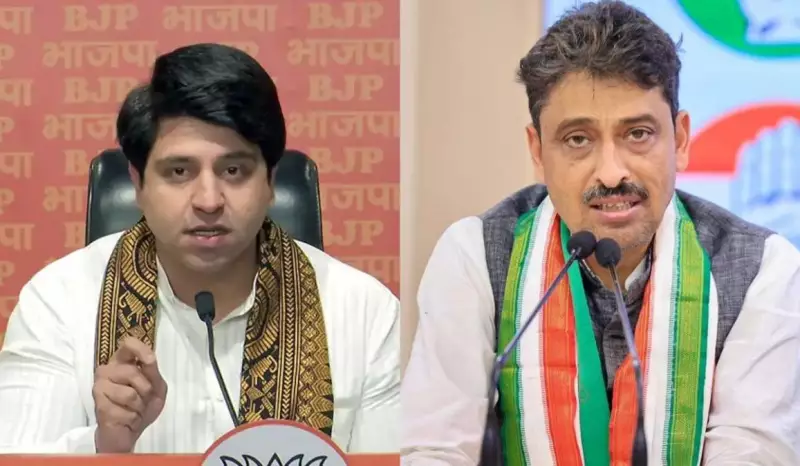
The Bharatiya Janata Party has launched a sharp criticism against a Congress Member of Parliament for controversial comments made about individuals involved in the Delhi blast case. The political dispute erupted after the Congress representative referred to the blast conspirators as "misguided" people, sparking immediate backlash from ruling party officials.
Political Firestorm Over National Security Remarks
Senior BJP leaders have strongly condemned the statement made by the Congress parliamentarian, arguing that such language minimizes the seriousness of terrorism and shows disrespect toward national security concerns. The controversy centers on remarks made about those accused of planning and executing the blast incident in Delhi, with the BJP asserting that describing terrorists as "misguided" represents a dangerous normalization of extremist activities.
Political analysts note that this exchange highlights the ongoing tension between India's major political parties regarding their approach to national security matters. The ruling party has consistently positioned itself as taking a hardline stance against terrorism, while frequently accusing opposition parties of being soft on security threats.

Escalating Rhetoric and Security Implications
The BJP's reaction was swift and uncompromising, with multiple party representatives publicly challenging the Congress leadership to clarify their position on terrorism and national security. The incident has further strained relations between the two political rivals at a time when security concerns remain elevated following the blast episode.
Security experts monitoring the situation emphasize that political discourse around terrorism can significantly impact public perception of security threats. The characterization of individuals involved in violent acts has become a point of contention, with some arguing for understanding root causes while others maintain that unequivocal condemnation is necessary.
This political confrontation occurs against the backdrop of ongoing investigations into the Delhi blast, with authorities continuing to pursue all leads related to the incident. The exchange between the political parties demonstrates how national security issues frequently become polarized along political lines, potentially affecting both policy decisions and public sentiment.
Broader Impact on Political Discourse
The controversy has extended beyond parliamentary debates to dominate political discussions across various media platforms. The BJP has used this incident to reinforce its narrative about being the only party truly committed to India's security, while the Congress faces pressure to either defend or distance itself from the MP's remarks.
This incident represents another chapter in the ongoing political battles between India's major parties, particularly concerning their approach to handling security threats and terrorism-related incidents. The terminology used to describe individuals involved in violent acts has emerged as a significant point of disagreement, reflecting deeper ideological divisions.
As the political fallout continues, observers are watching how this exchange might influence public opinion and whether it will have lasting implications for inter-party relations and security policy discussions. The incident underscores how national security remains a deeply politicized issue in contemporary Indian politics, with even the language used to discuss terrorism becoming subject to intense debate and criticism.