Tamil Nadu CM M.K. Stalin Accuses BJP of Divisive Agenda Targeting Minorities
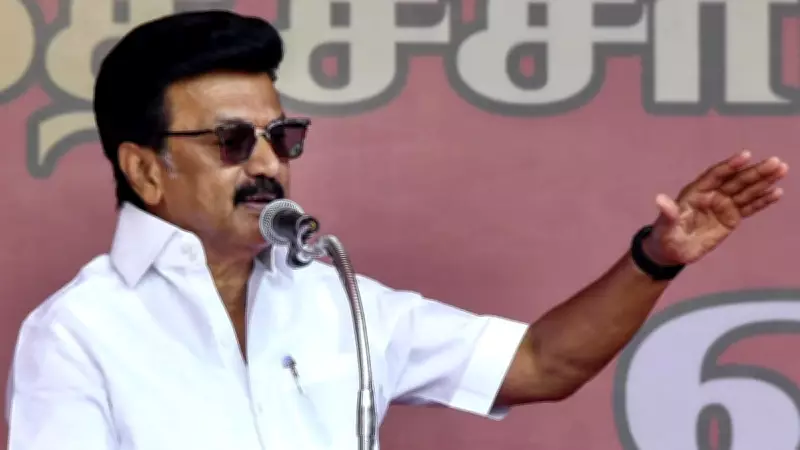
Tamil Nadu Chief Minister and DMK leader M.K. Stalin has launched a sharp critique against the Bharatiya Janata Party (BJP), alleging that its primary political agenda is to deliberately keep minority communities in a state of fear and apprehension. This accusation comes at a crucial juncture, as political temperatures rise in the lead-up to significant electoral contests across the nation.
Stalin's Allegations and Political Context
In a strongly worded statement, Stalin asserted that the BJP's strategy revolves around fostering an environment of insecurity among religious and ethnic minorities. He emphasized that such tactics are employed to polarize the electorate and consolidate a majoritarian vote bank, rather than focusing on inclusive governance and development. The Chief Minister highlighted that this approach undermines the secular fabric of India and threatens social harmony.
Stalin further elaborated, pointing to various incidents and policies that he claims exemplify the BJP's intent to marginalize minority groups. He referenced legislative changes, inflammatory rhetoric from certain party members, and alleged discriminatory practices as evidence supporting his allegations. According to Stalin, these actions are not isolated but part of a systematic effort to create a pervasive sense of vulnerability among minorities.

Broader Implications for National Politics
This accusation from a prominent opposition leader like Stalin is expected to intensify the ongoing political discourse surrounding minority rights and communal relations in India. It adds fuel to the opposition's narrative that the BJP-led central government is promoting a majoritarian agenda at the expense of pluralistic values. The timing of these remarks is particularly significant, as they could influence public opinion and electoral strategies in upcoming state and national polls.
Political analysts suggest that Stalin's comments are aimed at rallying anti-BJP forces and reinforcing the DMK's position as a defender of secularism and social justice. By framing the BJP as a party that thrives on fear-mongering, Stalin seeks to galvanize support from minority communities and liberal sections of society, positioning the DMK as a bulwark against divisive politics.
Potential Reactions and Future Developments
The BJP is likely to dismiss these allegations as baseless and politically motivated, accusing Stalin and the DMK of engaging in fear-mongering themselves to distract from governance issues. Party spokespersons may counter by highlighting the government's welfare schemes and initiatives aimed at all sections of society, including minorities. This exchange is set to spark a heated debate in Parliament and public forums, with both sides presenting contrasting visions of India's social and political future.
As the political landscape evolves, Stalin's allegations could lead to:
- Increased scrutiny of BJP policies and rhetoric concerning minority communities.
- Heightened political mobilization among opposition parties around the theme of secularism.
- Potential legal or parliamentary actions if allegations of discriminatory practices are formally pursued.
Ultimately, this controversy underscores the deep ideological divides in Indian politics and sets the stage for a contentious electoral battle where issues of identity, security, and inclusivity will be at the forefront.