

Bihar Village Tragedy: Four Girls Dead, Sole Survivor Unavailable as Mystery Unfolds
In a heart-wrenching incident from Haspura block in Bihar's Aurangabad district, five young girls, aged between 10 and 14, ventured out to play, but only one returned alive. The community, an impoverished Dalit settlement, is now grappling with the unexplained deaths of four children, while the lone survivor remains unavailable to shed light on the events. Police were informed two days after the tragedy, adding to the confusion and delay in the investigation.
Delayed Police Response and Hasty Cremations
The Haspura Police Station received news on February 1 that five girls from the Dalit village had allegedly consumed poison, with only one surviving and receiving treatment. However, by the time authorities arrived, the four deceased girls had already been cremated on January 29 by their families. This hasty action has raised questions, but villagers insist it was a collective decision due to financial constraints, not an attempt to conceal evidence.
Aurangabad police issued a press note on February 2, stating they are attempting to record statements from the parents, who were not present in the village at the time. Continuous questioning of villagers and evidence collection is underway, with an FIR registered to probe the cause of deaths further.

Life in the Impoverished Dalit Village
The village, a small cluster of 25 to 30 houses, paints a grim picture of neglect and poverty:
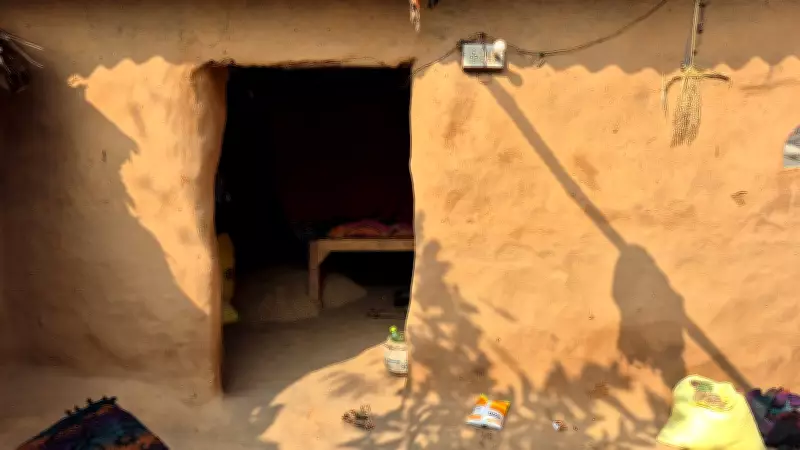
- Most homes are mud structures, with only a few pucca buildings.
- Clogged drains with stagnant dirty water criss-cross the area.
- Unpaved, potholed roads are the only access to nearby towns.
- No household has a toilet; common toilets have been unusable for years, forcing residents to use fields.
- There is no piped water supply, with most relying on hand pumps.
Economic conditions are dire, with men working as farm hands or daily labourers, earning only Rs 3,000-5,000 per person for 10-15 days of work each month. Families produce minimal crops for consumption, selling small amounts to buy essentials. Women and children, including the five girls, are often left to their own devices, with the girls having dropped out of school after Class 5 due to the village's limited educational facilities.
Personal Stories of Loss and Desperation
The father of an 11-year-old victim was in Pangaon, Maharashtra, for contract labour work when he received the tragic news. He returned to a two-room mud house with a low roof, where his daughter lived amidst poverty. If the government provided regular work, we would not leave our homes, he lamented, highlighting the lack of local employment opportunities.
Other families shared similar tales of absence and shock. A 13-year-old victim's mother last saw her daughter heading to the fields to cut grass, only to learn hours later from boys that the girls were found dead. Villagers speculate the girls might have mistaken fertilizer or chemicals for black salt, but without the survivor's account, the truth remains elusive.
Investigation Challenges and Community Suspicions
Police efforts are hampered by the missing survivor, whose family has left the village. Aurangabad SP Ambrish Rahul referred inquiries to SDPO Ashok Kumar Das, but calls and messages went unanswered. The community, while cooperative, expresses frustration over the slow pace of the investigation and the broader issues of poverty and neglect that plague their lives.
This tragedy underscores the urgent need for better infrastructure, education, and economic support in rural Bihar, as families mourn their lost children amidst an unresolved mystery.






