The national discourse in India has become ensnared in a relentless numbers game, particularly with the intense friction surrounding the Delimitation Bill of 2026 and the ongoing census. However, beyond these statistical battles lies a more profound and persistent issue: the missing feminine in Indian politics.
The Numbers Trap
Political debates increasingly revolve around demographic data, seat allocations, and population figures. The Delimitation Bill, which aims to redraw constituency boundaries based on the upcoming census, has sparked heated arguments among regional and national parties. Yet, amidst this quantitative obsession, the qualitative aspect of representation—especially gender representation—remains neglected.
Women's Reservation: A Long Overdue Promise
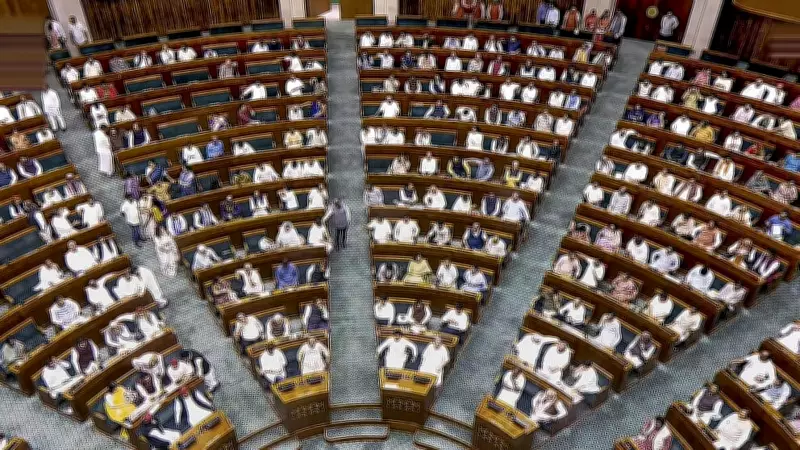
The Women's Reservation Bill, which reserves one-third of seats in Parliament and state legislatures for women, was passed in 2023 but its implementation is tied to the delimitation exercise. This linkage has delayed the actual empowerment of women in political decision-making. Despite constituting nearly half the population, women hold less than 15 percent of Lok Sabha seats, a figure that has barely improved over decades.

Political parties often pay lip service to gender equality but fail to field women candidates in winnable seats. The reservation quota is seen as a necessary but insufficient step. Without a shift in party culture and societal attitudes, mere numbers will not translate into substantive influence.
Beyond the Quota
True feminine representation is not just about counting heads but about incorporating women's perspectives into policymaking. Issues such as healthcare, education, safety, and economic opportunities for women require sustained attention. However, the current political climate prioritizes identity politics and electoral arithmetic over such substantive concerns.
The census and delimitation debates have further diverted focus. As parties jostle for power based on caste and community demographics, the question of gender equity is pushed to the margins. The missing feminine is not just a matter of numbers but of voices and priorities.
A Way Forward
To bridge this gap, India needs:
- Immediate implementation of the Women's Reservation Bill without further linkage to delimitation.
- Internal party reforms to ensure at least one-third of candidates are women.
- Grassroots movements to encourage women's political participation from the local level upwards.
- Media and public discourse that highlights women's issues and leadership.
Until these steps are taken, the national discourse will remain trapped in a numbers game, while the feminine essence of Indian politics continues to be missing.