

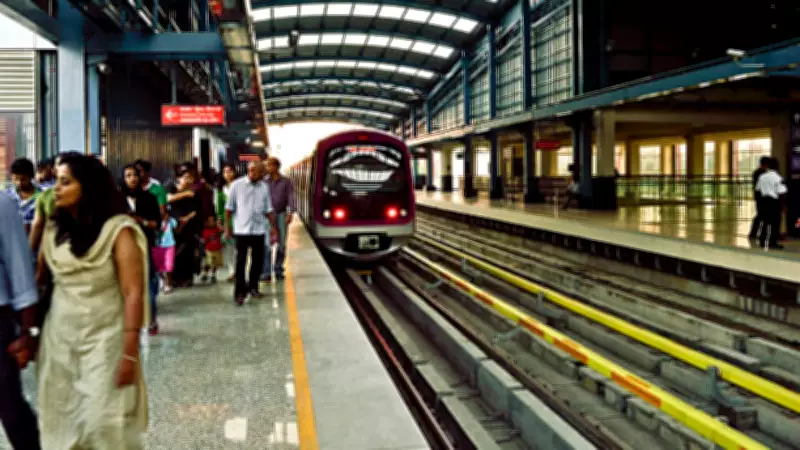
Bengaluru Metro Deploys Home Guards to Curb Rising Commuter Misconduct
The Bengaluru Metro Rail Corporation Limited (BMRCL) has taken a decisive step to address a surge in commuter misconduct by deploying home guards inside every train. This move comes in response to alarming data revealing over 1 lakh rule violations recorded in the past year, highlighting persistent challenges in maintaining travel etiquette on the city's rapid transit system.
Noise Issues Lead the List of Violations
According to official BMRCL statistics, noise-related disturbances topped the list of infractions, with a staggering 57,538 cases booked against passengers for playing music or videos aloud on their mobile devices without using headphones. This category alone accounted for more than half of all reported incidents, underscoring a widespread disregard for auditory decorum in shared public spaces.
Other Major Concerns in Metro Travel
Beyond noise pollution, several other behavioral issues have plagued the Bengaluru Metro system:

- Misuse of Reserved Seating: Officials documented 37,038 incidents where commuters refused to vacate seats specifically designated for pregnant women, senior citizens, and persons with disabilities.
- Food Consumption in Coaches: Despite clear prohibitions, 1,907 cases were recorded of passengers eating inside Metro compartments.
- Chewing Gutka or Paan: An additional 1,677 violations involved passengers chewing gutka or paan during their journeys, creating hygiene and cleanliness concerns.
Metro authorities emphasize that such behavior not only disturbs fellow passengers but also demonstrates a lack of respect for communal transportation environments designed for efficient and comfortable urban mobility.
BMRCL's 'Metro Etiquette' Campaign and Enforcement Measures
In response to these escalating issues, BMRCL has launched a focused 'Metro Etiquette' campaign aimed at improving commuter behavior. As part of this comprehensive initiative, two home guards have been strategically deployed in every Metro train. Their primary responsibilities include cautioning offenders and spreading awareness about acceptable conduct through direct engagement with passengers.
Officials have clarified that while warnings represent the initial approach, repeated violations will attract penalties under the Metro Railways (Operation and Maintenance) Act, 2002. Authorities stress that Metro trains constitute public property, and passengers bear a collective responsibility to ensure their actions do not inconvenience others. Specific guidelines advise commuters to:
- Relinquish seats to those with greater need
- Avoid loud conversations or mobile audio without headphones
- Maintain cleanliness within train compartments
Public Reaction and Suggestions for Improvement
The deployment of home guards has sparked considerable discussion across social media platforms and among daily commuters. While many appreciate the initiative, several users have offered constructive feedback for broader implementation:
- One commenter noted, "Appreciate this initiative. However, the focus of this drive is only within the train and not about grave concerns from the metro platforms. The most basic, urgent & important etiquette that you should be driving is to ensure people follow the queue while boarding the train."
- Another suggested enhanced enforcement mechanisms, stating, "Every train should have Marshalls to catch even more such people."
- A third proposed supplementary awareness measures: "Etiquette Posters need to be Displayed via Billboards at Stations and Trains too."
This multifaceted approach by BMRCL reflects growing recognition that technological infrastructure must be complemented by behavioral standards to ensure Bengaluru's Metro system functions optimally for all users. As urban transit networks expand across Indian cities, the Bengaluru experience offers valuable insights into balancing enforcement with education to foster respectful commuting cultures.






