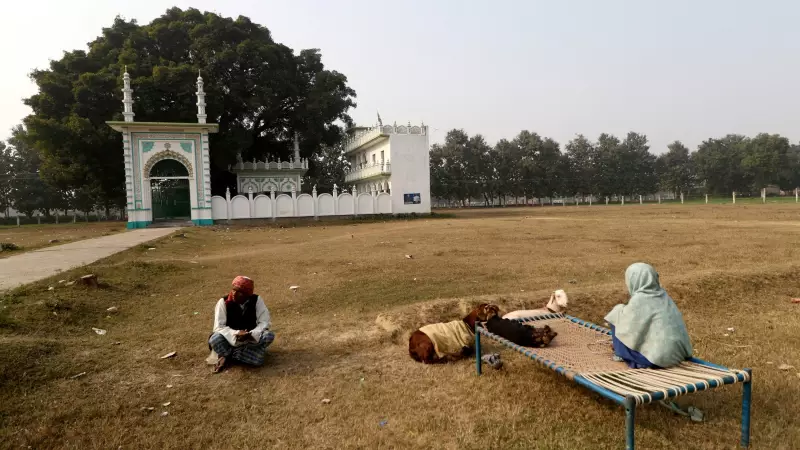
As Ayodhya marks another December 6, the anniversary of the Babri Masjid demolition, the construction of a new mosque on the alternative land allotted by the Supreme Court remains a work in progress. Nearly two years after the grand inauguration of the Ram Temple at the original disputed site, the ground in Dhannipur village, about 25 km away, lies untouched.
Approval Process and Revised Timeline
The Indo-Islamic Cultural Foundation (IICF), the trust overseeing the project, is preparing to submit a structural map for the proposed 'Mohammad bin Abdullah Masjid' to the Ayodhya Development Authority. Zufar Ahmad Faruqi, chairman of the foundation, confirmed that a new design has been finalised and the structural map is being prepared for submission by the end of December 2025.
Once submitted, the approval process for the map is expected to take at least three months. This means the earliest that any physical construction can commence is after March 2026. The delay is attributed partly to the redesign process and partly to a lack of substantial donations for the project.

From Futuristic to Traditional: A Design Overhaul
A significant reason for the slow progress was the community's lukewarm response to the initial, modern design unveiled in 2021. That blueprint featured a skylit glass dome and was perceived as too "futuristic." This aesthetic disconnect reportedly led to a reluctance among potential donors to contribute funds.
The newly finalised design addresses these concerns by embracing a more traditional architectural style. The revised plan features five minarets and classic dome structures, aligning with conventional mosque aesthetics. To broaden its appeal and utility, the complex will also include a hospital, a community kitchen (langar), and an Indo-Islamic Cultural Research Centre with an archives and museum.
The Funding Challenge and a Contrast in Progress
Financing the construction remains a primary concern for the foundation. While donations have seen a slight increase following the announcement of the traditional design, the inflow is described as merely "trickling in." The IICF's website actively seeks contributions, framing the project as a future centre for worship, healthcare, learning, and cultural preservation.
This pace stands in stark contrast to the progress at the Ram Temple site. Just ten days prior, the temple marked its completion with a ceremony involving Prime Minister Narendra Modi. Nripendra Mishra, chairman of the temple's construction committee, stated that the main temple is finished, with ancillary work scheduled for completion by 2026. He revealed that the temple trust received initial donations of around Rs 3,000 crore and has spent an estimated Rs 1,800 crore on construction.
The journey for the mosque began with the Supreme Court's 2019 verdict, which awarded the disputed site for the temple and ordered the allotment of a 5-acre plot at a "suitable, prominent place in Ayodhya" for a mosque. The Uttar Pradesh government allocated land in Dhannipur to the Sunni Central Waqf Board in 2020, leading to the formation of the IICF Trust. Six years after the historic judgment, the Muslim side awaits the start of building their promised place of worship.