Assam's Electoral Roll Revision Process Concludes with Two-Day Extension
The comprehensive process of disposing claims and objections filed during the Special Revision of Assam's electoral roll officially concluded on Wednesday. This completion came after authorities granted a two-day extension to accommodate several districts grappling with exceptionally high volumes of submissions.
Timeline of the Revision Process
The Election Commission of India initiated this significant electoral exercise with the publication of the draft electoral roll in December last year. This preliminary document followed an extensive door-to-door verification campaign conducted by dedicated booth-level officers between November 22 and December 20.
The commission established a specific window from December 27 to January 22 exclusively for citizens to file claims and objections regarding name inclusions in the draft electoral roll. Following this submission period, election authorities commenced detailed hearings to address each filed concern systematically.
Extension Granted for High-Volume Districts
While the disposal process was originally scheduled to conclude by February 2, election officials recognized the need for additional time in certain administrative regions. "The time period for disposal was extended by two days following the request of two to three districts, including Cachar, due to their heavy burden of claims and objections," confirmed an official source familiar with the proceedings.
This accommodation allowed election authorities to thoroughly process all submissions without compromising procedural integrity. The extended timeline ultimately concluded on Wednesday, marking a significant milestone in Assam's electoral preparation.
Final Publication and Future Revisions
With the claims and objections process now complete, election authorities have scheduled the publication of the final electoral roll for February 10. This definitive document will serve as the foundation for the upcoming assembly elections, which political observers anticipate will occur during March or April for the 126-member legislative house.
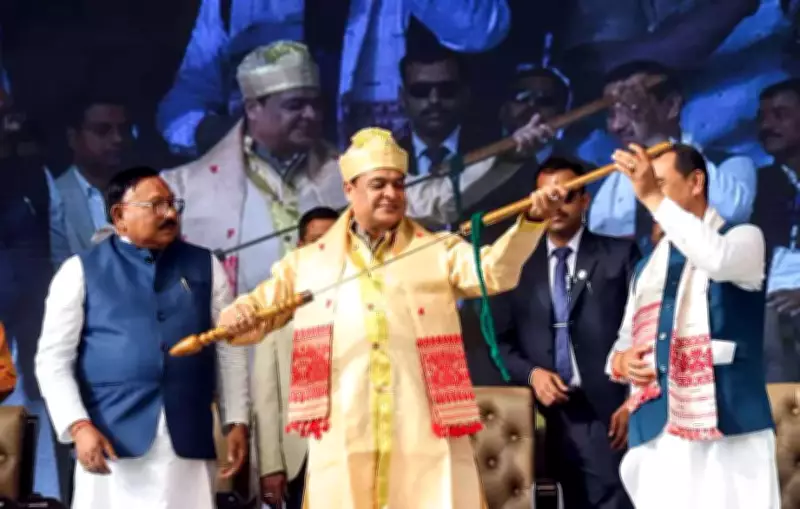
Meanwhile, Assam Chief Minister Himanta Biswa Sarma revealed additional electoral planning during a media interaction in Sonari on Wednesday. The chief minister confirmed that a Special Intensive Revision will take place in Assam following the conclusion of the assembly elections.
"Special Revision is currently taking place in the state. SIR will take place after the elections are over and the exercise will continue for a substantial duration," Sarma explained. He further noted that while state authorities had requested the Election Commission to conduct the Special Intensive Revision immediately, the commission opted for the current Special Revision approach since the National Register of Citizens has not yet been published.
Political Context and Objections Filed
The electoral revision process has unfolded against a politically charged backdrop. On January 28, while addressing media in Sivasagar, Chief Minister Sarma disclosed that Bharatiya Janata Party workers had submitted more than five lakh objections specifically targeting the inclusion of Bangladesh-origin migrant Muslims in the electoral roll during the Special Revision.
The chief minister framed this extensive objection filing as a national responsibility for the Assamese community. "It's not only BJP's responsibility, but of every political party and organization," Sarma asserted. He expressed disappointment that other political entities had not filed similar complaints, suggesting they were attempting to downplay concerns about foreign nationals in electoral rolls.
Sarma emphasized his party's consistent stance, stating, "BJP is against foreigners and it works like what it says." This political dimension adds complexity to what is fundamentally an administrative process of ensuring accurate and legitimate voter registration ahead of crucial democratic exercises.
The conclusion of this claims and objections disposal phase represents a critical step toward establishing a verified electoral database for Assam's upcoming political contests, while simultaneously setting the stage for more intensive revision processes in the post-election period.