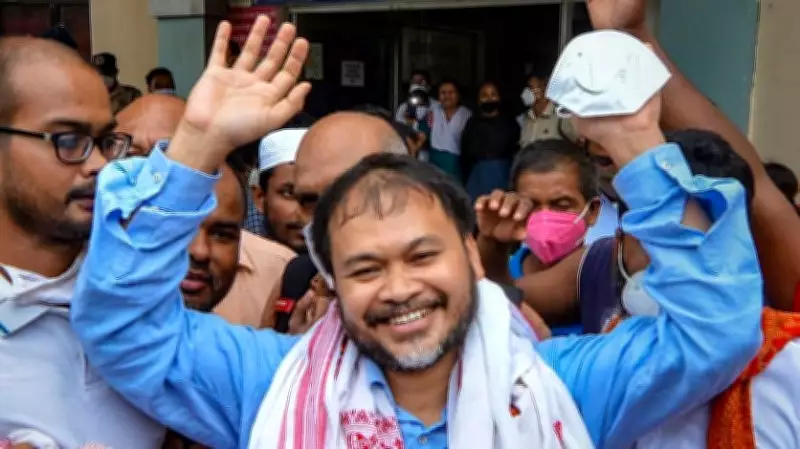
The 2026 Assam Assembly election results have thrown up a surprising outcome, with Akhil Gogoi emerging as the lone prominent voice from the opposition camp to secure a victory. Gogoi, who founded the Raijor Dal in October 2020, has been a key figure in the anti-Citizenship (Amendment) Act (CAA) movement in the state.
Akhil Gogoi's Political Journey
Gogoi, a former activist and peasant leader, transitioned into electoral politics with the formation of Raijor Dal. His party was born out of the widespread protests against the CAA, which swept Assam in 2019 and 2020. Gogoi's arrest during the agitation and subsequent release only bolstered his image as a staunch defender of Assamese identity and rights.
Election Performance
Despite the ruling party's landslide victory, Gogoi managed to retain his seat, defying the trend. His win is seen as a testament to his grassroots connect and the resonance of his issues among voters. The Raijor Dal, however, failed to make significant inroads elsewhere, with most of its candidates losing.

Gogoi's victory is particularly notable given the challenges faced by the opposition, which was fragmented and lacked a unified narrative. His win provides a glimmer of hope for alternative voices in Assam's political landscape.
Implications for Assam Politics
The 2026 elections have reinforced the dominance of the ruling party, but Gogoi's success underscores the persistence of regional and identity-based politics. Analysts believe that his lone victory could serve as a rallying point for opposition forces in future elections. Gogoi has already indicated that he will continue to raise issues of land rights, indigenous identity, and economic justice in the assembly.
As the results sink in, all eyes are on Gogoi's next moves. Will he be able to build a broader coalition? Or will his voice remain an isolated one? For now, he stands as a symbol of resistance in a largely one-sided electoral contest.