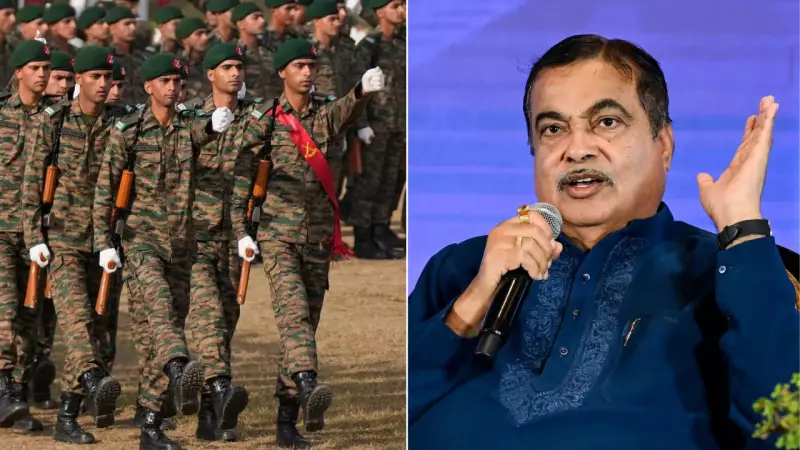
The Indian Army has rolled out a stringent new policy governing the online activities of its personnel, even as security forces scored a major success in Odisha by eliminating a top Maoist commander. In other significant developments, a Union Minister shared a chilling recollection, a political scion returned from exile, and banks tightened rules for money moving abroad. Here are the top five stories shaping the news cycle.
Army Enforces Strict Social Media Protocol for Personnel
The Indian Army has issued fresh directives sharply limiting how its personnel can interact on popular digital platforms. The new policy mandates that applications like Instagram, YouTube, X (formerly Twitter), and Quora can only be used for passive viewing. This means soldiers are barred from posting comments, sharing content, or creating any form of user-generated post on these sites.
The guidelines permit the use of messaging apps, but with significant caveats. Their use is restricted solely for unclassified communication with known contacts. This move is seen as a critical step to bolster operational security, prevent data leaks, and shield personnel from potential online espionage and honey-trap attempts that often originate on such platforms.

Senior Maoist Leader Ganesh Uike Neutralised in Odisha Encounter
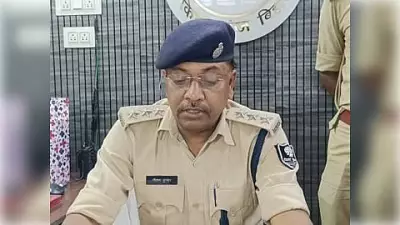
In a significant blow to left-wing extremism, security forces in Odisha's Kandhamal district gunned down four Naxals, including a high-ranking leader. The most prominent among those killed was Ganesh Uike (69), a central committee member of the CPI (Maoist) and the outfit's in-charge for Odisha. Uike carried a bounty of Rs 1.2 crore on his head.
This encounter marks the first time in recent years that a Maoist commander of his seniority has been eliminated in the state. This operation brought the two-day toll of Maoists killed in Kandhamal to six, following another gunfight on Wednesday where two cadres, including an area committee member, were shot dead.
Nitin Gadkari's Encounter with Hamas Chief Hours Before Assassination
Union Minister for Road Transport and Highways, Nitin Gadkari, revealed a startling personal anecdote involving Hamas's political leader, Ismail Haniyeh. Gadkari recounted meeting and shaking hands with Haniyeh at an event in Tehran merely hours before the Hamas chief was assassinated in the Iranian capital.
Gadkari cited this episode to highlight the complex and technology-driven nature of modern security challenges. He noted that Haniyeh was part of the dignitaries walking alongside Iran's President and Chief Justice during the ceremony, which underscored his prominent status at the event.
Tarique Rahman Returns to Bangladesh Ahead of Crucial Polls
In a major political development in neighbouring Bangladesh, Tarique Rahman, the acting chairman of the Bangladesh Nationalist Party (BNP), returned to Dhaka after spending over 17 years in self-imposed exile in the United Kingdom. Rahman, the elder son of former Prime Minister Khaleda Zia, had left in 2008 for medical treatment amid legal troubles.
His return is pivotal as the country gears up for parliamentary elections scheduled for February 12. With his mother and party chairperson Khaleda Zia in poor health, Rahman is widely perceived as the BNP's principal face and key strategist for the upcoming electoral battle.
Banks Scrutinise Overseas Remittances as Rupee Weakens
Indian banks have intensified their verification processes for foreign fund transfers amidst a depreciating rupee. Reports indicate that several high-net-worth individuals (HNIs), non-resident Indians (NRIs), and even corporate entities are now being asked to provide detailed documentation proving the source of funds intended for remittance abroad.
In specific instances, banks have requested certification from chartered accountants to validate the fund sources. Some institutions have gone a step further, insisting that these certificates be issued only by CAs who are empanneled with the bank itself, adding an extra layer of due diligence to curb potential irregularities.