Amit Shah's Commitment to Resolving the Gorkhaland Issue
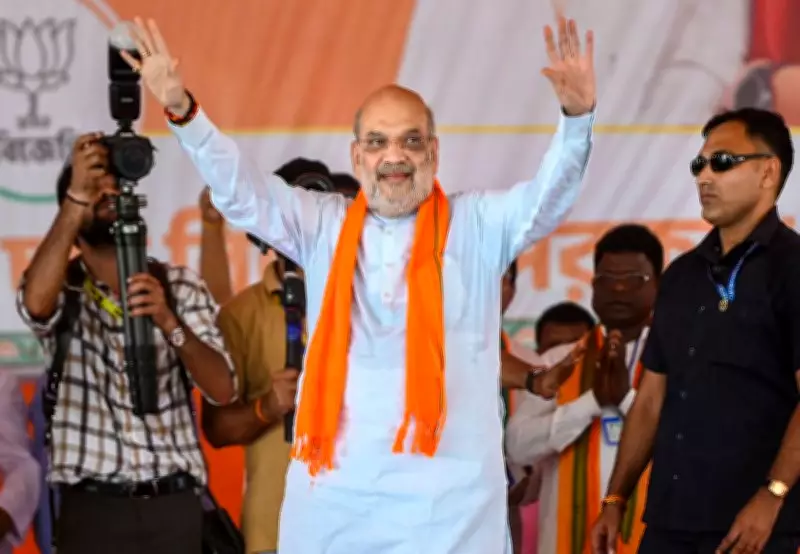
Union Home Minister Amit Shah has made a significant pledge to address the 119-year-old Gorkhaland issue, a long-standing demand for a separate state for the Gorkha community in the Darjeeling hills of West Bengal. This announcement has reignited discussions around one of India's most persistent regional disputes, with Shah emphasizing the central government's dedication to finding a peaceful and constitutional solution.
Historical Background of the Gorkhaland Movement
The Gorkhaland movement traces its origins back to 1905, when the Hillmen's Association first raised the demand for a separate administrative setup for the Darjeeling region. The core issue revolves around the identity, culture, and political autonomy of the Gorkha people, who argue that their distinct linguistic and ethnic heritage is not adequately represented within West Bengal. Over the decades, this demand has evolved through various phases, marked by protests, agreements, and periods of violent unrest, particularly in the 1980s and more recently in 2017.
Key Events and Political Developments
Significant milestones include:

- 1986: The Gorkha National Liberation Front (GNLF) led a major agitation, resulting in the formation of the Darjeeling Gorkha Hill Council (DGHC) in 1988, which granted limited autonomy but fell short of statehood.
- 2007: The Gorkha Janmukti Morcha (GJM) revived the movement, leading to the creation of the Gorkhaland Territorial Administration (GTA) in 2011, another semi-autonomous body that has faced criticism for its limited powers.
- 2017: A 104-day strike in Darjeeling brought the issue back into national focus, highlighting ongoing discontent and the failure of previous agreements to fully address Gorkha aspirations.
Political dynamics have been complex, with the Bharatiya Janata Party (BJP) at the center and the Trinamool Congress (TMC) in West Bengal often at odds over the issue. Amit Shah's recent vow is seen as part of the BJP's broader strategy to consolidate support in the region, especially ahead of upcoming elections.
Current Status and Challenges
Today, the Gorkhaland issue remains unresolved, with the GTA functioning but widely viewed as insufficient by many Gorkha leaders. Challenges include:
- Constitutional Hurdles: Creating a new state requires parliamentary approval and involves complex legal and administrative processes.
- Political Opposition: The West Bengal government, led by the TMC, has consistently opposed bifurcation, citing territorial integrity and economic concerns.
- Internal Divisions: Within the Gorkha community, there are differing opinions on the best path forward, ranging from full statehood to greater autonomy within West Bengal.
Amit Shah's promise has raised hopes, but experts caution that a resolution will require careful negotiation, consensus-building, and a balanced approach that addresses both Gorkha demands and regional stability.
Implications and Future Prospects
The resolution of the Gorkhaland issue could have far-reaching implications for federalism, ethnic politics, and peace in Northeast India. If successful, it might set a precedent for handling similar regional demands across the country. However, failure could lead to renewed unrest and political friction. As Amit Shah moves forward, stakeholders are watching closely to see if this 119-year-old matter can finally be laid to rest through dialogue and democratic means.