Akhilesh Yadav Questions BJP Over Foreign Funds, Labels FCRA Amendment a 'Control' Tactic
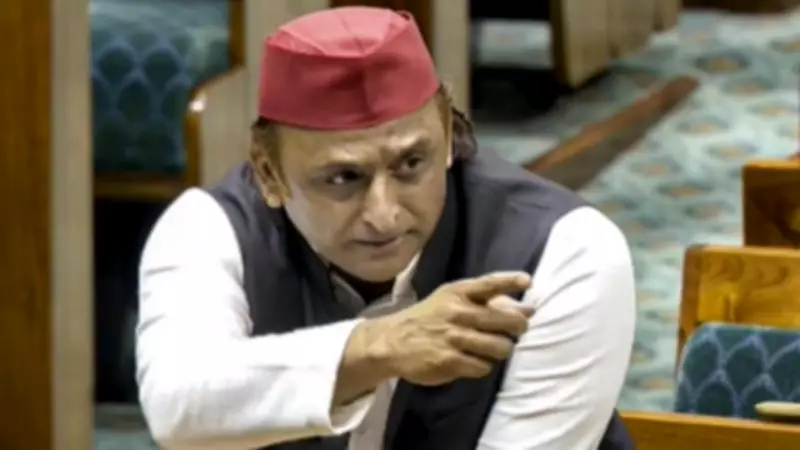
Samajwadi Party leader Akhilesh Yadav has launched a sharp critique against the Bharatiya Janata Party (BJP), questioning its stance on foreign funding and labeling a proposed amendment to the Foreign Contribution Regulation Act (FCRA) as a "control" tactic. This move has sparked significant political debate, with opposition parties rallying against the legislation.
Opposition Unites Against 'Draconian' Law
The opposition, including the Indian National Congress, has strongly opposed the proposed FCRA amendment, terming it "draconian." They allege that the law is designed to stifle civil society organizations by imposing stricter regulations on foreign contributions. This criticism comes amid broader concerns about transparency and accountability in political funding.
Akhilesh Yadav emphasized that the amendment appears to be a strategic move by the BJP to exert greater control over non-governmental organizations and other entities receiving foreign aid. He argued that this could undermine the autonomy of civil society and hinder their ability to operate effectively in areas such as social welfare and human rights.

Political Implications and Broader Context
The debate over the FCRA amendment is part of a larger political discourse in India, where issues of foreign influence and domestic governance are increasingly contentious. The BJP has defended the amendment as necessary for national security and to prevent misuse of foreign funds, but critics like Yadav view it as an overreach that could suppress dissent and independent activism.
This development highlights the ongoing tensions between the ruling party and opposition forces in Indian politics. As the discussion unfolds, it raises important questions about the balance between regulation and freedom in a democratic society.
With the proposed law still under consideration, stakeholders from various sectors are closely monitoring its progress. The outcome could have far-reaching implications for how civil society organizations function and interact with international donors in the future.