Ajit Pawar's Plane Crash: Unraveling the Tragedy in Baramati
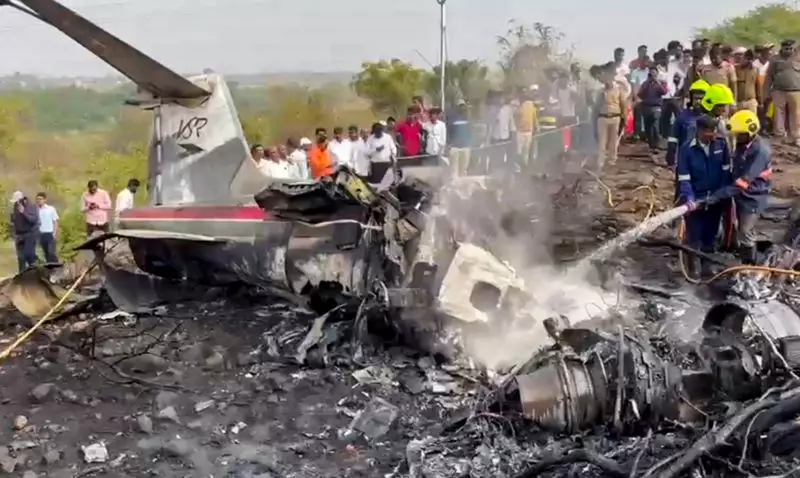
The recent plane crash involving prominent political figure Ajit Pawar in Baramati, Maharashtra, has sent shockwaves across the nation, prompting a thorough investigation into the circumstances that led to this devastating incident. As authorities delve deeper into the details, several potential factors are emerging that may have contributed to the tragedy, raising critical questions about aviation safety and emergency protocols in the region.
Potential Causes Under Scrutiny
Preliminary reports from the crash site in Baramati suggest that a combination of technical malfunctions and adverse weather conditions could have played a significant role in the accident. Investigators are examining the aircraft's maintenance records and flight data to determine if any mechanical failures occurred during the flight. Eyewitness accounts indicate that the plane experienced sudden turbulence before losing altitude, which aligns with concerns about unpredictable weather patterns in the area at the time of the crash.
Weather and Environmental Factors
Meteorological data from Baramati on the day of the incident reveals that the region was experiencing unusual atmospheric conditions, including strong crosswinds and reduced visibility. These environmental challenges may have compromised the pilot's ability to maintain control of the aircraft, especially during critical phases of the flight such as takeoff or landing. Aviation experts emphasize that such factors are often overlooked but can be decisive in preventing or causing accidents.

Aviation Safety Protocols in Focus
The crash has intensified discussions about the enforcement of aviation safety standards in Maharashtra and across India. Key aspects under review include:
- Aircraft maintenance and inspection routines to ensure all components are functioning optimally.
- Pilot training and preparedness for handling emergency situations in challenging weather.
- Air traffic control coordination and communication during flights in rural or less-monitored areas like Baramati.
Authorities are also considering whether existing safety measures were adequately implemented or if there were lapses that need to be addressed to prevent future incidents.
Impact on Local Community and Political Landscape
Baramati, a key political stronghold, has been deeply affected by the crash, with residents expressing concern over the safety of air travel in the region. The incident has not only highlighted vulnerabilities in aviation infrastructure but also sparked debates about the need for improved emergency response systems in rural Maharashtra. As investigations continue, the focus remains on ensuring transparency and accountability to restore public confidence in air travel safety.
Moving Forward: Lessons and Recommendations
In the aftermath of the tragedy, aviation experts and policymakers are advocating for several measures to enhance safety, including:
- Regular audits of aircraft used for political and private travel to ensure compliance with safety norms.
- Enhanced weather monitoring and forecasting systems specifically for aviation routes in Maharashtra.
- Community awareness programs to educate locals about aviation risks and emergency procedures.
By addressing these areas, authorities aim to mitigate risks and prevent similar accidents in the future, ensuring that such tragedies do not recur in Baramati or elsewhere in the state.