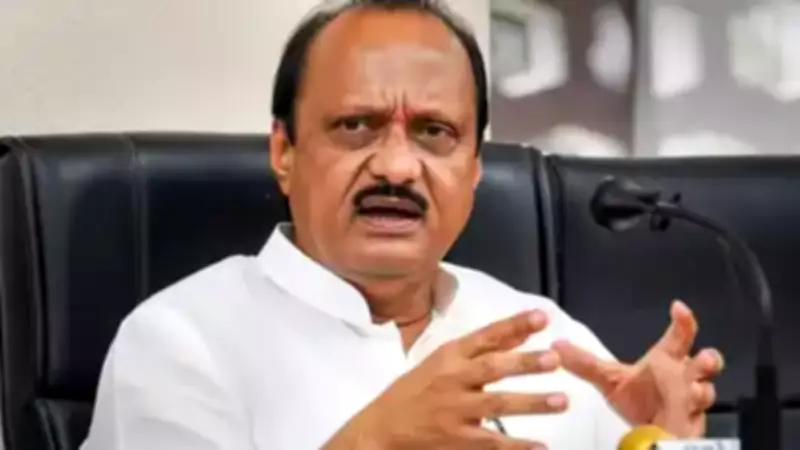
In a striking development in Pune's political landscape, both factions of the Nationalist Congress Party (NCP) have opted out of traditional large-scale campaigning for the upcoming zilla parishad and panchayat samiti elections. Instead, they have focused on door-to-door canvassing. However, the Ajit Pawar-led NCP has introduced a controversial element to its campaign strategy by deploying artificial intelligence-generated audio and video clips that mimic the voice and appearance of the late leader, Ajit Pawar.
Emotional Appeal Through AI Technology
The AI-generated messages, which circulate widely through social media groups and local campaign networks, run for approximately 2 to 3 minutes and are crafted to evoke deep emotional responses. In these clips, a voice that closely resembles Ajit Pawar's recalls his involvement in selecting candidates during ticket distribution and outlines his vision for the zilla parishad. The messages urge voters to support the candidates he "trusted" to continue his legacy of work.
A local NCP leader, who requested anonymity, explained, "These messages serve as a powerful reminder of Ajit Pawar's unwavering commitment to rural development and the faith he placed in these specific candidates." For many villagers in Pune district, Ajit Pawar's voice still holds significant emotional weight, making this strategy particularly resonant.

Legacy of a Political Titan
Ajit Pawar, who served as deputy chief minister and died tragically in a plane crash on January 28 in Baramati, was a towering political figure in Pune district. This region has been an NCP stronghold for over two decades. His sudden passing sent shockwaves across Maharashtra, especially in rural areas where his influence extended beyond politics into cooperative institutions, local bodies, and governance structures.
According to party functionaries, the audio messages aim to reconnect voters with Pawar's legacy at a critical juncture when sympathy, nostalgia, and political loyalty are converging just before polling day. This approach seeks to harness the emotional connection many residents still feel towards the late leader.
Ethical Concerns and Political Backlash
Despite its intended impact, the use of AI-generated content in a live electoral contest has triggered quiet unease among political observers and rival parties. Critics and opposing candidates argue that deploying a simulated voice of a deceased leader blurs ethical boundaries, particularly when emotions following such a tragic death remain raw and sensitive.
Opposition leaders have condemned the tactic, stating that it amounts to emotional manipulation of voters. They acknowledge Ajit Pawar's deep-rooted influence in the region but emphasize the need for ethical campaigning practices. Srinath Lande, a Shiv Sena candidate for the zilla parishad polls, remarked, "There is widespread sympathy for Ajit Pawar across party lines, but elections should be contested by the living, not by recreating the voices of the dead."
Broader Implications for Electoral Politics
This incident raises important questions about the role of emerging technologies like artificial intelligence in political campaigns. As parties explore innovative methods to engage voters, the ethical considerations surrounding the use of AI to replicate deceased figures become increasingly pertinent. The debate in Pune highlights a growing tension between technological advancement and traditional electoral norms.
Observers note that while door-to-door canvassing remains a staple, the integration of AI-driven emotional appeals could set a precedent for future elections, potentially reshaping how political messages are delivered and perceived. The outcome of this strategy in the zilla parishad polls may influence similar tactics in other regions, making it a case study in the evolving intersection of technology and democracy.
As Pune prepares for the elections, the use of AI-generated content continues to spark discussions about morality, innovation, and the enduring legacy of political leaders in shaping voter behavior.