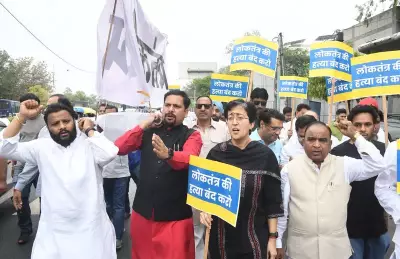
Leaders of the Aam Aadmi Party (AAP) in Delhi are facing legal action following a complaint about a theatrical performance involving Santa Claus. The Delhi Police has registered a case against them based on allegations that the skit hurt the religious sentiments of the Christian community.
Case Filed on Christmas Day
The First Information Report (FIR) was lodged on December 25, 2025. The complaint centers around a skit performed by AAP members, which, according to the complainant, portrayed Santa Claus in a manner deemed disrespectful. The complainant argued that Santa Claus is a "revered religious and cultural icon" for Christians, and the portrayal in the skit was offensive and intended to outrage their religious feelings.
Details of the Allegations
The police action came after a formal complaint was submitted. The specifics of the skit's content have not been fully disclosed, but the core of the allegation is that it deliberately mocked or showed disrespect to a figure held sacred by many Christians. The case has been filed under relevant sections of the Indian Penal Code pertaining to deliberate acts intended to wound religious feelings.

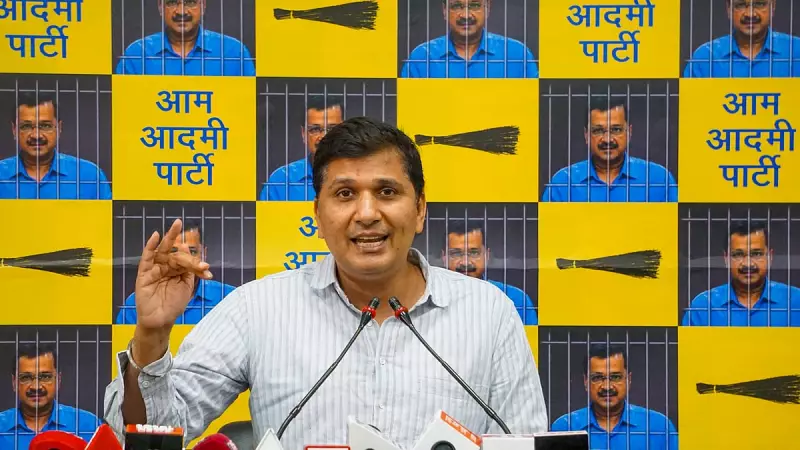
While the names of all individuals booked are not detailed in the initial report, the news highlights the involvement of AAP leaders. The party's prominent figure, Saurabh Bhardwaj, is mentioned in the context of the unfolding story, though the exact nature of his connection to the event is part of the ongoing investigation.
Political and Social Repercussions
This incident has quickly escalated from a cultural performance to a significant political and legal issue. It raises sensitive questions about the boundaries of freedom of expression and the legal protections for religious communities in India. The timing of the incident on Christmas Day adds another layer of sensitivity to the controversy.
The Delhi Police's decision to book AAP leaders indicates they found prima facie merit in the complaint to proceed with a formal investigation. The case is likely to draw strong reactions from various political groups and community leaders, potentially leading to a wider debate on secularism and political accountability in the national capital.
As the legal process begins, all eyes will be on the investigation to determine the exact content of the skit and the intent behind it. The outcome could have implications for how such cultural and political expressions are viewed under the lens of law and communal harmony.