850-Seat Parliament Proposal: A New Frontier for Women's Reservation in India
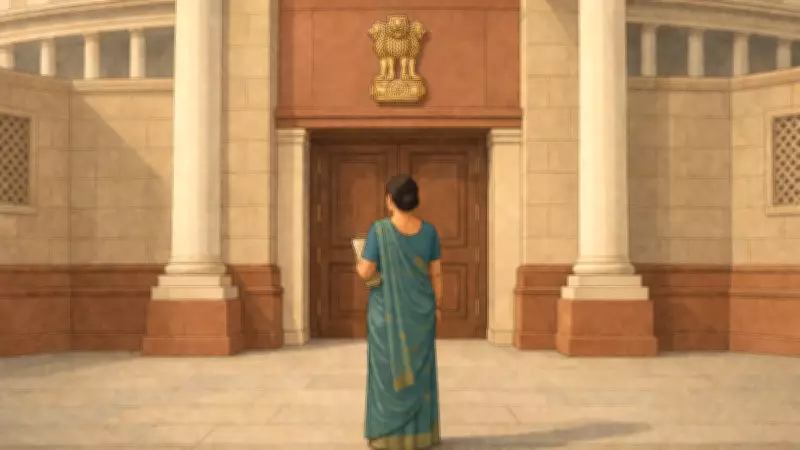
The Indian political landscape is abuzz with discussions about a potential expansion of the Parliament to 850 seats, a move that could have profound implications for the long-pending Women's Reservation Bill. This proposal, which aims to increase the number of seats in the Lok Sabha and Rajya Sabha, is being closely examined for its potential to advance gender equality in the country's legislative bodies.
Understanding the 850-Seat Parliament Proposal
The idea of expanding the Indian Parliament to 850 seats stems from demographic changes and the need for better representation. Currently, the Lok Sabha has 543 seats, and the Rajya Sabha has 245 seats, totaling 788. The proposed increase to 850 seats would involve adding more constituencies, particularly in states with growing populations, to ensure that each member of Parliament represents a more manageable number of citizens.
This expansion is not just about numbers; it is seen as a strategic opportunity to revisit and potentially strengthen the Women's Reservation Bill, which has been stalled for decades. The bill, which seeks to reserve 33% of seats in the Lok Sabha and state assemblies for women, could be integrated into the new seat allocation, making it easier to implement without disrupting existing political dynamics.

Impact on the Women's Reservation Bill
The Women's Reservation Bill, first introduced in 1996, has faced numerous hurdles, including political opposition and logistical challenges. The proposal for an 850-seat Parliament offers a fresh perspective on how to overcome these obstacles. By creating new seats, the government could allocate a portion of them specifically for women, thereby increasing female representation without reducing the number of seats available to male candidates.
This approach could make the bill more palatable to various political parties, as it minimizes the perceived threat to incumbent male lawmakers. Additionally, the expansion could be timed to coincide with the delimitation exercise, which is expected after 2026, providing a natural window for implementing both changes simultaneously.
Key Benefits and Challenges
The potential benefits of linking the 850-seat proposal with the Women's Reservation Bill are significant:
- Enhanced Gender Equality: More seats could lead to a higher number of women in Parliament, fostering diverse perspectives in lawmaking.
- Political Consensus: By offering new opportunities, the proposal might reduce resistance from parties wary of losing existing seats.
- Better Representation: The expansion could address underrepresentation in populous states, aligning with the principles of democratic fairness.
However, challenges remain, including:
- Constitutional Amendments: Implementing the 850-seat plan and the Women's Reservation Bill would require changes to the Constitution, a complex and time-consuming process.
- Logistical Issues: Adding more seats involves redrawing constituencies, which could lead to political disputes and delays.
- Funding and Infrastructure: Expanding Parliament would necessitate additional resources for facilities and operations.
Future Prospects and Political Implications
As discussions progress, the 850-seat Parliament proposal is gaining traction among policymakers and gender rights advocates. It represents a pragmatic solution to the longstanding impasse over the Women's Reservation Bill, offering a way to boost female participation in politics while modernizing India's legislative framework.
The success of this initiative will depend on bipartisan support and careful planning. If implemented, it could set a precedent for other countries struggling with gender parity in politics, showcasing India's commitment to inclusive governance. With the next general elections on the horizon, this proposal could become a key issue in political manifestos, shaping the future of Indian democracy.