Late Runway Sighting, Engine Failure, or Aerodynamic Stall: 3 Theories in Ajit Pawar Plane Crash
In the aftermath of the recent plane crash involving prominent political figure Ajit Pawar, aviation authorities and investigators are meticulously piecing together the sequence of events that led to the tragic incident. Preliminary reports and expert analyses have converged on three primary theories that could explain what went wrong during the flight. These theories—centering on a late runway sighting, potential engine failure, and the possibility of an aerodynamic stall—are now under intense scrutiny as the investigation progresses.
Theory 1: Late Runway Sighting and Approach Issues
One of the leading theories posits that the aircraft may have encountered difficulties during its final approach to the runway. Investigators are examining whether the pilots had a late sighting of the runway, which could have compromised their ability to execute a safe landing. This scenario often involves factors such as poor visibility, adverse weather conditions, or misjudgment of distance and altitude. In such cases, pilots might be forced to make abrupt adjustments, increasing the risk of an accident. The investigation is reviewing flight data, cockpit voice recordings, and meteorological reports to assess if this played a role in the crash.
Theory 2: Engine Failure or Mechanical Malfunction
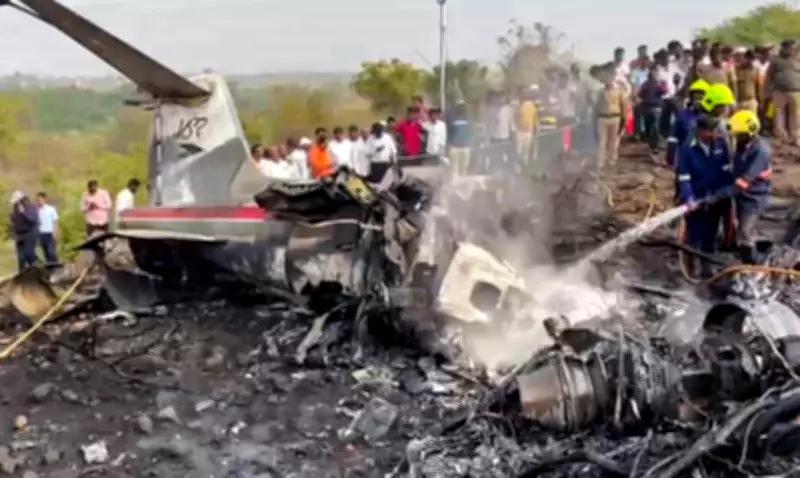
Another critical theory under consideration is the possibility of engine failure or a significant mechanical malfunction. Engine issues can arise from various causes, including fuel problems, component wear, or maintenance oversights. If the aircraft experienced a sudden loss of power, it could have led to an uncontrollable descent or loss of control, especially during critical phases of flight like takeoff or landing. Investigators are conducting thorough inspections of the wreckage, focusing on the engines and other key systems, to determine if any mechanical failures contributed to the incident.

Theory 3: Aerodynamic Stall and Loss of Control
The third theory explores the potential for an aerodynamic stall, which occurs when an aircraft's wings lose lift due to insufficient airspeed or excessive angle of attack. This can result in a sudden loss of altitude and control, often with catastrophic consequences. Factors such as pilot error, incorrect configuration, or environmental conditions like wind shear could trigger a stall. Experts are analyzing flight parameters and performance data to evaluate if the aircraft entered a stall condition and whether recovery attempts were made by the flight crew.
Investigation and Safety Implications
As the investigation unfolds, authorities are emphasizing the importance of a comprehensive analysis to pinpoint the exact cause of the crash. The findings are expected to have significant implications for aviation safety protocols in India, potentially leading to revised guidelines, enhanced training for pilots, and stricter maintenance checks. This incident serves as a stark reminder of the complexities involved in aviation and the need for continuous vigilance to prevent such tragedies in the future.
The crash has also sparked broader discussions about the safety of air travel for political figures and the general public alike. With multiple theories on the table, the aviation community awaits conclusive evidence that will shed light on this unfortunate event and help prevent similar occurrences.