Congress Leader Jairam Ramesh Unveils Historic 1948 Correspondence
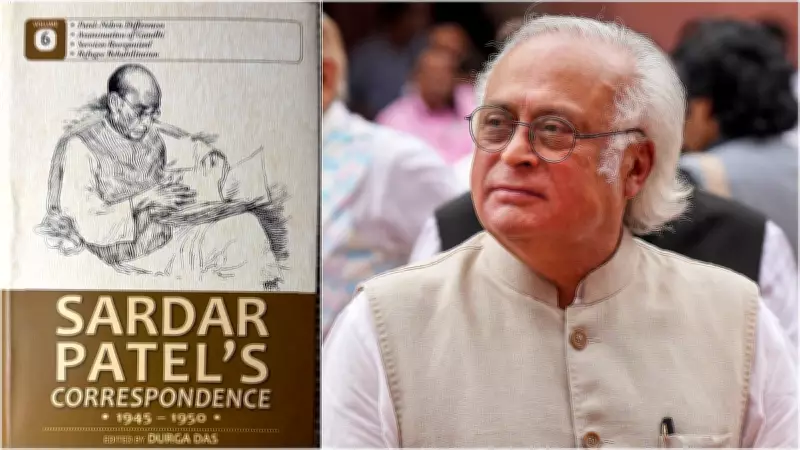
In a significant political revelation, senior Congress leader Jairam Ramesh has made public a series of letters from 1948, written by India's first Prime Minister Jawaharlal Nehru and Deputy Prime Minister Sardar Vallabhbhai Patel. These documents, which have been brought to light amidst contemporary political debates, offer a stark critique of two major Hindu nationalist organisations—the Rashtriya Swayamsevak Sangh (RSS) and the Hindu Mahasabha.
Content of the Nehru-Patel Letters
The letters, addressed to Syama Prasad Mookerjee, who later founded the Bharatiya Jana Sangh, express deep concerns about the activities and ideologies of the RSS and Hindu Mahasabha in the aftermath of India's independence. Nehru and Patel, key architects of modern India, articulated their apprehensions regarding the potential threat these groups posed to the secular fabric and democratic principles of the nascent nation.
Jawaharlal Nehru, in his correspondence, emphasised the need for a unified and inclusive India, warning against divisive forces that could undermine national unity. His words reflect a commitment to pluralism and a rejection of communalism, principles that were foundational to the Indian Constitution.

Sardar Patel, known for his pragmatic approach, highlighted administrative and security concerns related to the RSS and Hindu Mahasabha. His letters suggest a cautious stance towards organisations that he perceived as challenging the state's authority and promoting sectarian agendas.
Historical Context and Political Implications
The release of these letters by Jairam Ramesh comes at a time when the role of historical figures and their views on nationalism are intensely debated in Indian politics. By making this correspondence public, Ramesh aims to shed light on the early ideological conflicts that shaped India's political landscape.
This move is seen as part of a broader effort by the Congress party to counter the narrative of the ruling Bharatiya Janata Party (BJP), which has ideological roots in the RSS. The letters serve as a reminder of the historical tensions between the Congress's vision of a secular democracy and the Hindu nationalist movements represented by the RSS and Hindu Mahasabha.
Reactions and Analysis
Political analysts note that the unveiling of these documents could reignite discussions about the legacy of India's founding leaders and their stance on communalism. The letters provide a rare glimpse into the private concerns of Nehru and Patel, offering valuable insights for historians and policymakers alike.
Critics argue that the release is politically motivated, intended to influence public opinion ahead of upcoming elections. However, supporters maintain that it is crucial to preserve and understand historical documents to inform contemporary debates on nationalism and secularism.
The correspondence underscores the enduring relevance of these issues in India's democratic journey, highlighting how past ideologies continue to influence present-day politics.