As climate activist and education reformer Sonam Wangchuk completes over 100 days in detention under the National Security Act (NSA), his wife, Gitanjali Angmo, has opened up about the immense personal and legal challenges faced by the family. Wangchuk was detained from Leh on September 26, 2025, and remains in Jodhpur jail, with a crucial Supreme Court hearing on an appeal against his detention scheduled for January 7, 2026.
A Family's Struggle and a Legal Battle
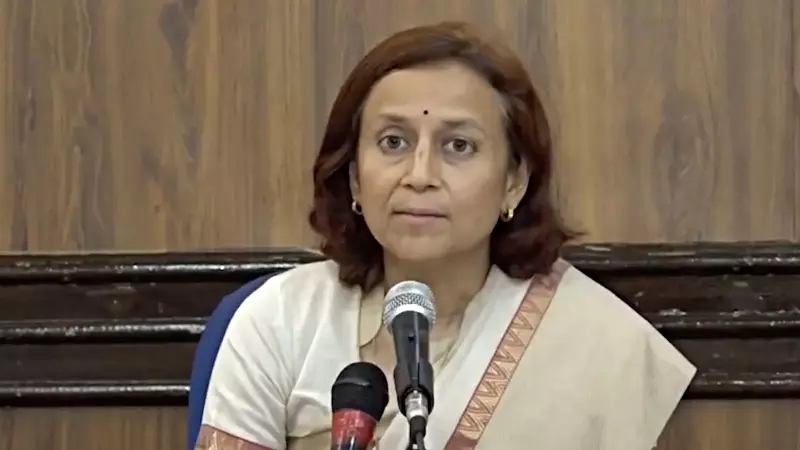
In an exclusive conversation, Gitanjali Angmo described the period as one of "extreme stress" and a daunting challenge. "For the first time I was handling an issue of this magnitude and you're taking on the Union of India, at loggerheads with the top two people of this country," she stated. Despite the pressure, she expressed gratitude for the widespread public support, noting the "tremendous goodwill the people have for Sonam and for our institute." This support extends even to grassroots levels within the jail. The legal fight is being spearheaded pro bono by senior advocates Kapil Sibal and Vivek Tankha.
Angmo's life is now a constant juggle between courtrooms, government offices, and remote management of the Himalayan Institute of Alternative Learning (HIAL), which she heads. "I am not just busy in the Supreme Court case, there are also summons and queries from the IT department, the ED, the GST department," she revealed, while praising HIAL's second-line leadership for holding the fort.

Family visits are brief and logistically taxing. Wangchuk is permitted two one-hour meetings per week, each requiring Angmo to undertake a two-day journey between Delhi and Jodhpur. She expressed frustration with the judicial delays, stating the top court "need not have taken 100 days to decide this matter." For the government, it's another day, but for Sonam, it means another week, another month in detention, she emphasized.
Ladakh's Political Stance and the Statehood Demand
Wangchuk's detention has become a central issue in Ladakh's political dialogue with the Centre. The region's key representative bodies—the Apex Body Leh (ABL) and the Kargil Democratic Alliance (KDA)—have made his release a primary condition for continuing talks on their demands for statehood and inclusion under the Sixth Schedule of the Constitution.
The detention followed violent protests in Leh on September 24, 2025, which were preceded by a hunger strike led by Wangchuk and demonstrations for Ladakh's rights. The clashes resulted in four fatalities from police firing. Wangchuk was detained two days later. The ABL and KDA have since sought amnesty for all detainees from those events and compensation for the families of the deceased.
KDA representative Sajjad Kargili criticized the Centre's "undemocratic attitude" and warned that the government "should not push the people of Ladakh to the wall." He noted that while the joint draft for statehood and other demands has been submitted to the Ministry of Home Affairs (MHA), the government's response has lacked seriousness. Wangchuk's lawyer, Mustafa Haji, questioned the basis of the detention, asking, "What is his crime? Reminding the government of its own promise of Sixth Schedule protection."
The Road Ahead
The next hearing in the Supreme Court on January 7 is a critical juncture. Under the NSA, detention can last for up to 12 months unless revoked earlier. The outcome will not only determine Wangchuk's immediate future but also significantly impact the fragile political negotiations between Ladakh's leadership and the Central government.
The case has transcended an individual's detention, morphing into a symbol of the broader struggle for Ladakh's constitutional safeguards and political identity. As the legal and political battles unfold in Delhi and Jodhpur, the people of Ladakh and supporters nationwide await a resolution that addresses both justice for Sonam Wangchuk and the aspirations of the region.