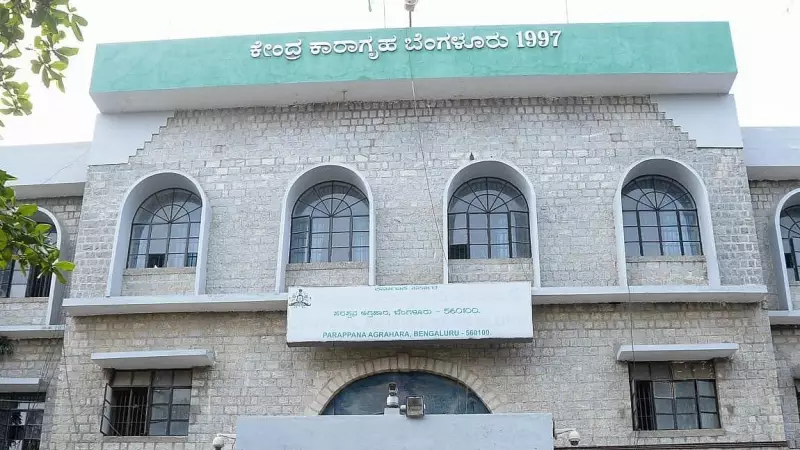
In a brazen attempt to breach prison security, a woman was caught red-handed trying to smuggle a mobile phone into the high-security Parappana Agrahara Central Prison in Bengaluru. The incident, which highlights ongoing challenges in contraband control, led to the immediate registration of a case against the accused.
The Foiled Smuggling Attempt
According to police reports, the incident occurred recently when the woman, identified as Shwetha, a resident of Kengeri, visited the prison. During a routine security check at the entrance, officials became suspicious. A thorough search revealed that she was carrying a mobile phone, which she had allegedly concealed with the intent to deliver it to an inmate inside the facility.
Prison authorities swiftly detained the woman and seized the electronic device. The mobile phone, a key tool for illegal coordination from behind bars, was confiscated as evidence. The attempt to sneak in such contraband is a serious violation of prison regulations designed to maintain order and security.

Legal Action Under the Karnataka Prisons Act
Following the discovery, the prison staff filed a formal complaint with the Kengeri police station. Law enforcement authorities have registered a case against Shwetha under the relevant sections of the Karnataka Prisons Act, 1963.
This act specifically criminalizes the introduction or attempt to introduce prohibited articles like mobile phones, drugs, or weapons into any prison without proper authorization. The police investigation is now active, focusing on determining the intended recipient of the phone and any potential broader network involved in the smuggling operation.
Ongoing Challenges and Security Implications
This event underscores the persistent issue of contraband smuggling in correctional facilities across the state. Mobile phones inside prisons are considered a major security threat, as they can enable inmates to:
- Coordinate criminal activities from within jail premises.
- Intimidate witnesses or victims.
- Facilitate unauthorized communication that can disrupt investigations.
The Parappana Agrahara prison, one of Karnataka's largest, has witnessed similar incidents in the past, prompting authorities to enhance surveillance and frisking procedures. This latest case is likely to lead to a review and further tightening of visitor screening protocols. It serves as a stern reminder of the continuous vigilance required to secure penal institutions from external interference.
The Kengeri police are proceeding with the investigation, and further legal action will follow the due process of law.