West Bengal Flashpoint: Gherao of Judicial Officers Deemed Unpardonable
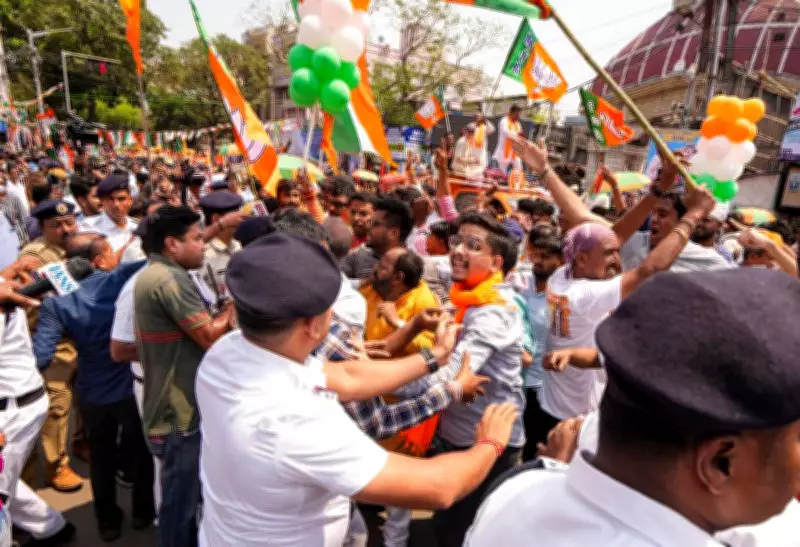
The recent incident in West Bengal, where judicial officers were subjected to a gherao, has ignited a firestorm of controversy and condemnation across the political and legal spectrum. This brazen act, widely perceived as an assault on the sanctity of the judiciary, raises profound concerns about the erosion of democratic norms and the rule of law in the state.
An Unprecedented Attack on Judicial Independence
The gherao, a form of protest where individuals are surrounded and prevented from leaving, targeted judicial officers who were merely performing their official duties. This action is not just a localized disturbance but a direct challenge to the principle of judicial independence, which is a cornerstone of any functioning democracy. By intimidating those tasked with upholding justice, the perpetrators have attempted to undermine the very foundation of legal authority and public trust in the judicial system.
Legal experts and civil society groups have unanimously denounced the incident as unpardonable and a dangerous precedent. They argue that such tactics, if left unchecked, could embolden similar acts elsewhere, potentially paralyzing the judiciary and compromising its ability to deliver impartial verdicts. The incident has prompted calls for swift and stringent action against those responsible, to deter future occurrences and reaffirm the state's commitment to protecting its judicial institutions.

Political Ramifications and Broader Implications
This flashpoint in West Bengal has significant political ramifications, with opposition parties seizing upon the event to criticize the state government's handling of law and order. Accusations have flown that the administration failed to prevent the gherao or protect the judicial officers, suggesting a lapse in governance that could have far-reaching consequences for public safety and institutional integrity.
The timing of the incident is particularly sensitive, as it comes amid ongoing political tensions and electoral dynamics in the region. Analysts warn that such actions could exacerbate existing conflicts, polarize communities, and destabilize the social fabric. Moreover, it highlights a growing trend of using intimidation tactics against public officials, which threatens to normalize violence and coercion in political discourse.
Call for Accountability and Systemic Reforms
In response to the outrage, there is a mounting demand for accountability and systemic reforms to safeguard judicial officers and ensure their security. Key stakeholders, including bar associations and human rights organizations, have proposed several measures:
- Enhanced Security Protocols: Implementing stricter security arrangements for courts and judicial personnel to prevent such incidents.
- Legal Repercussions: Enforcing existing laws against obstruction of justice and introducing harsher penalties for attacks on judicial officers.
- Public Awareness Campaigns: Educating citizens about the importance of judicial independence and the consequences of undermining it.
- Political Will: Urging state and central governments to demonstrate unwavering support for the judiciary and take concrete steps to uphold its autonomy.
The gherao in West Bengal serves as a stark reminder of the vulnerabilities faced by judicial institutions in today's volatile political climate. It underscores the urgent need for collective action to defend democratic values and ensure that justice remains blind and fearless. As the debate continues, the incident is likely to fuel discussions on judicial reforms and the broader struggle for rule of law in India.