American Mercenary Matthew VanDyke Detained in India Over Terror Allegations
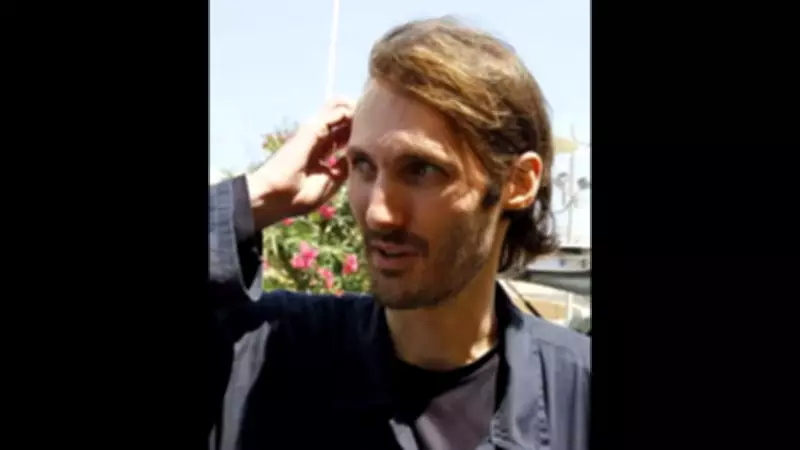
In a significant development, a US national identified as Matthew VanDyke, widely believed to be an American mercenary, has been arrested in India along with several other individuals. The arrests are linked to allegations of terror activities, specifically involving the training of people in Myanmar who are connected to insurgent groups. This incident has sparked international attention due to VanDyke's notorious background and involvement in various global conflicts.
Who is Matthew VanDyke?
Matthew VanDyke is a well-known figure with a multifaceted career as an American documentary filmmaker, former journalist, activist, and fighter. He gained prominence during the 2011 Libyan civil war, where he fought alongside rebels, was captured, and imprisoned for several months before reportedly escaping. VanDyke has publicly supported revolutions across the Middle East and North Africa, working as a filmmaker in the Syrian Civil War and participating as an armed combatant.
In 2014, he founded Sons of Liberty International, an organization dedicated to providing military training, advising, and supplies to forces opposing authoritarian regimes and terrorists. His arrest in India adds a new chapter to his controversial life, with authorities alleging his involvement in training Myanmar-linked insurgents, though specific details about the other individuals arrested have not been disclosed.
Recent Activities and Statements
VanDyke has remained active on social media, commenting on global conflicts. On March 10, he criticized US operations in Iran and Venezuela, describing them as "weak" and arguing that such actions lead to stronger regimes. He posted, "Khameini replaced by his more hardline son in #Iran. Maduro replaced by his more competent VP in #Venezuela. Just as weak antibiotics cause resistant and stronger bacteria, weak military action causes resistant and stronger regimes. When you strike a regime, you must kill it."
In a social media post dated January 10, 2025, VanDyke revealed that he has been running covert operations with a Venezuelan rebel commander since 2019. He stated, "The Venezuelans I work with are true patriots, heroically risking their lives to free their country. Their commander and I plan the missions, and I provide the funding. You may have read about some of our missions in the media, such as Operation Aurora, but the journalists didn't know who was behind them. The Venezuelan team and I agreed to reveal our presence today, on the day of Maduro's inauguration, to let Venezuelans know that we've been fighting for you, and will continue fighting for you, until Maduro is defeated and democracy is restored."
Implications and Global Context
The arrest of Matthew VanDyke in India highlights the complex web of international mercenary activities and their potential links to terror networks. With his history in conflicts like Libya and Syria, and his outspoken support for anti-regime movements, this case raises questions about the extent of such operations in regions like Myanmar. Indian authorities are likely investigating the full scope of the alleged training activities and any connections to broader insurgent groups.
This incident comes amid ongoing global tensions, including conflicts in the Middle East, such as the Israel-Iran war, where recent updates include Iran condemning Israeli bombings as 'ecocide' and former US President Trump warning NATO about war fallout. Rising Gulf-Iran tensions have also seen elites pressing the US to take stronger action against Iran, fearing threats to the Strait of Hormuz. Additionally, audio details from Iran strike aftermaths, like Mojtaba surviving a 'Blue Sparrow' hit while family and commanders were killed, underscore the volatile international landscape in which figures like VanDyke operate.
As the investigation unfolds, the world watches closely to see how this arrest will impact counter-terrorism efforts and diplomatic relations between the US, India, and other affected nations. VanDyke's case serves as a reminder of the shadowy roles that individuals can play in global conflicts, often blurring the lines between activism, journalism, and warfare.