As President Donald Trump considered his next steps regarding Iran, his administration received a comprehensive document. This dossier identified fifty high-value military targets. It included precise coordinates for each location.
Detailed Blueprint of Suppression Machinery
A Washington watchdog group compiled the information. They provided it exclusively to the Daily Mail. The document arrived just hours before crucial security meetings were scheduled.
The dossier mapped the exact machinery Tehran allegedly uses to crush its own protesters. It offered a clear blueprint of the Islamic Revolutionary Guard Corps' operational capabilities.

Nerve Center and Regional Command
The document listed the Tharallah Headquarters of the IRGC. This location serves as the primary nerve center for the crackdown on protesters. It holds operational control over police forces throughout Tehran.
The target list also named four key sub-headquarters. Each one oversees a different sector of the capital city:
- Quds Sub-Headquarters: This unit manages suppression operations in North and northwest Tehran.
- Fath Sub-Headquarters: It controls the southwestern region of the city.
- Nasr Sub-Headquarters: This command post operates in the northeast.
- Ghadr Sub-Headquarters: It oversees the southeast and central parts of Tehran.
By identifying these specific sites and their divisions, the US military gained critical insight. They now understand how the IRGC coordinates actions against Iranian citizens.
Hidden Infrastructure and Militia Bases
The dossier went beyond main command centers. It described a hidden infrastructure network across Tehran. This network acts as the primary command system for the regime's most radicalized units.
It coordinates intelligence gathering, policing activities, and psychological operations against the populace.
The targets included twenty-three IRGC-Basij regional bases. Each base is located within one of Tehran's twenty-two municipality regions. The Basij functions as the domestic militia arm of the IRGC.
The list also highlighted operational units directly involved in the violence. It named two specific brigades:
- The Aaleh-e Mohammad Security Brigade, situated in northeast Tehran.
- The Al-Zahra Security Brigade, located in the southeast part of the city.
Mounting Pressure and Political Response
Human rights groups report the death toll of Iranian protesters has now surpassed two thousand. Thousands more individuals face execution within the regime's prison system.
This escalating crisis prompted a shift in the Trump administration's stance. Officials signaled that the time for diplomatic patience has ended.
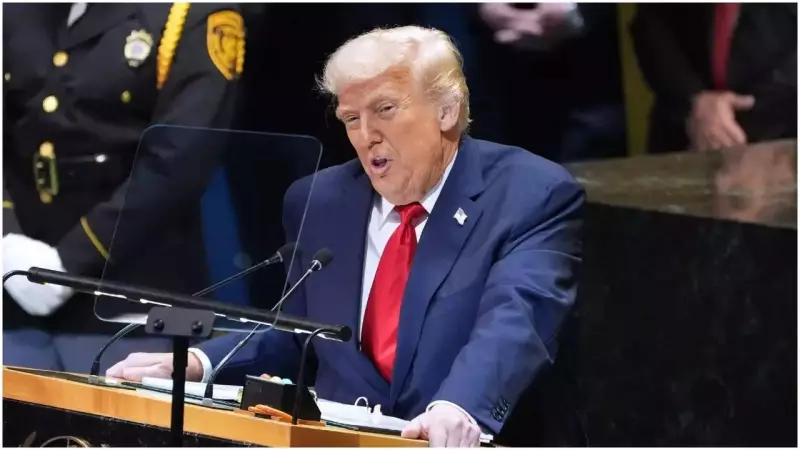
President Trump made several statements on Tuesday. He cancelled all planned meetings with Iranian officials. He directly addressed protesters, promising "help is on the way." He also urged them to "save the names of the killers and abusers."
On Capitol Hill, Senator Tom Cotton engaged in strong rhetoric during a GOP lunch. According to reports from Punchbowl News, he encouraged his colleagues to take aggressive action. He stated the Iranian regime is currently "as popular as syphilis."
Expert Analysis on the Conflict
Kasra Aarabi, Director of IRGC Research at the watchdog group UANI, provided analysis. He told the Daily Mail that the cycle of protests and suppression will likely continue. He emphasized this will happen unless the balance of power changes.
"The balance must shift between unarmed Iranian protesters and the regime's fully armed and radicalized apparatus of repression," Aarabi stated. The detailed dossier provides the US with specific knowledge of that repression apparatus.
The provision of this target list comes at a critical juncture. It provides the US administration with concrete options as it weighs how to respond to the ongoing human rights violations in Iran. The international community watches closely as tensions rise between Washington and Tehran.