US Authority to Blockade Iranian-Linked Ships: A Global Perspective
The United States possesses the operational capacity to impose a blockade on ships linked to Iran anywhere across the globe, according to recent analyses. However, this potential action is not without significant legal and diplomatic complexities that could shape its implementation.
Legal Framework and the Absence of War Declaration
A critical factor in this scenario is the legal status between the two nations. Since the U.S. Congress has not formally declared war against Iran, no official state of war exists between the United States and the Islamic Republic. This absence of a war declaration imposes constraints on the extent and nature of any blockade, as international law typically requires such a status for full-scale naval blockades in peacetime.
The implications of this legal nuance are profound, affecting how the U.S. might justify its actions under international maritime laws and treaties.

Strategic Considerations and Global Impact
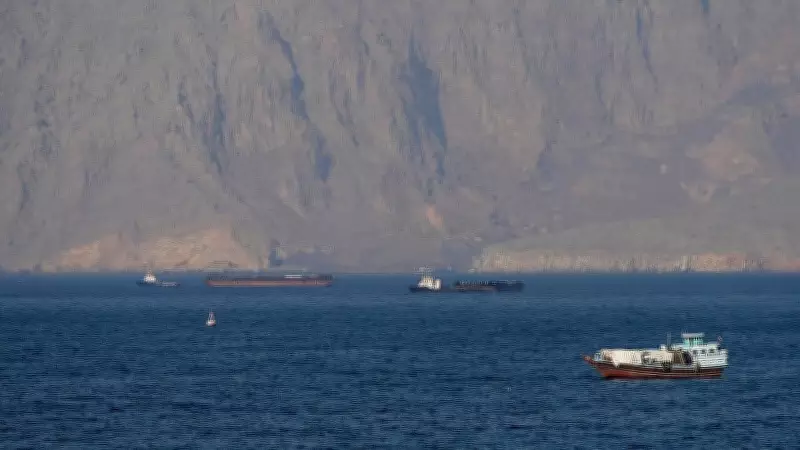
In regions like the Strait of Hormuz, a key chokepoint for global oil shipments, any U.S. move to blockade Iranian-linked vessels could have far-reaching consequences. Such actions might escalate tensions, disrupt international trade, and provoke responses from Iran and its allies, potentially leading to broader regional instability.
Experts highlight that while the U.S. military has the capability to enforce such a blockade, the decision would involve weighing strategic interests against legal risks and diplomatic fallout.
Historical Context and Future Scenarios
Historically, the U.S. has engaged in similar maritime operations, but the current geopolitical landscape adds layers of complexity. With ongoing diplomatic efforts and negotiations, any blockade could be seen as a provocative measure, possibly undermining peace initiatives.
Looking ahead, the situation remains fluid, with the potential for shifts in policy based on evolving international relations and security assessments.