In a decisive move against a massive illicit drug network, the Uttar Pradesh Food Safety and Drug Administration (FSDA) has proposed a series of stringent measures to overhaul the wholesale drug licensing system. This action follows the uncovering of a sprawling cartel, estimated to be worth Rs 700 crore, involved in the illegal diversion and misuse of codeine-based cough syrups (CBCS).
Proposed Crackdown: Geo-Tagging and Verification
The state drug regulatory body has sent detailed proposals to both the Uttar Pradesh government and the central authorities. The cornerstone of the plan is the introduction of geo-tagging for all wholesale drug establishments. This technological measure aims to create a transparent, real-time monitoring system to prevent the operation of phantom or fraudulent entities.
Beyond digital tracking, the FSDA has recommended rigorous physical verification protocols. These include on-ground checks of storage capacity and mandatory photographic documentation of premises. Furthermore, the department has emphasized the need for drug inspectors to personally verify the experience certificates of technical staff employed by these wholesalers, closing a potential loophole for unqualified operators.

The Scale of the Racket and Investigative Findings
The push for stricter norms stems from alarming discoveries made during extensive state-wide and inter-state inspections. Over the last three months, FSDA teams scrutinized more than 332 wholesale establishments across 52 districts of UP. The investigation, which also spanned states like Jharkhand, Haryana, and Himachal Pradesh, revealed a well-oiled parallel distribution network.
Officials found that most wholesalers could not provide valid proof for the receipt or subsequent sale of controlled medicines. Transactions often existed only on paper, with no corresponding sales bills to retail pharmacies. This facade masked a large-scale diversion operation. Evidence pointed to a network where billing was done in the names of super stockists in Delhi and Ranchi, with supplies then funneled illegally.
The scale of diversion was staggering. In the 2024-25 period alone, the supply of codeine-based cough syrup in Uttar Pradesh was found to be several times higher than the actual medical requirement. The probe recorded unvalidated supplies of over 2.23 crore bottles of Phensedyl (Abbott), over 73 lakh bottles of Ascoff (Laborate), and approximately 25 lakh bottles from other manufacturers.
Legal Repercussions and Ongoing Probe
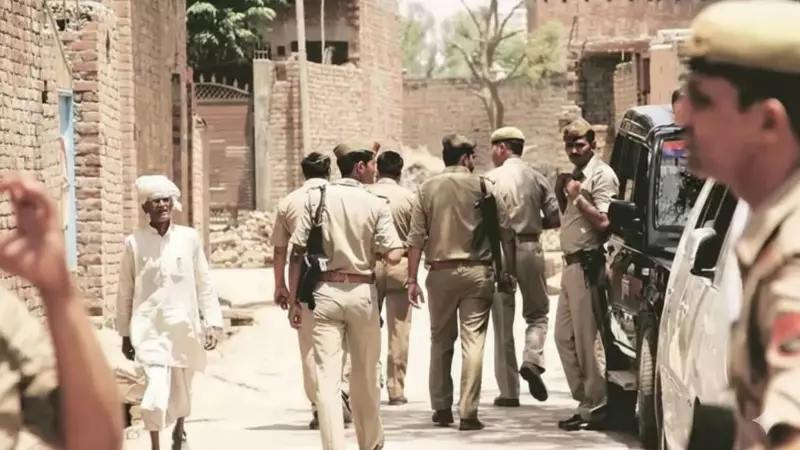
The enforcement response has been robust. To date, 79 First Information Reports (FIRs) have been lodged against 161 firms and individual operators across 36 districts. These cases have been filed under relevant sections of the Bharatiya Nyaya Sanhita (BNS) and the Narcotic Drugs and Psychotropic Substances (NDPS) Act. Eighty-five accused have been arrested in connection with the racket.
The legal process has received judicial backing. The Allahabad High Court recently upheld proceedings under the NDPS Act, dismissing writ petitions in 22 related cases. In a significant step to cripple the economic backbone of the cartel, district magistrates have been instructed to initiate action under the Gangster Act to seize assets acquired through this illegal narcotics trade.
Recognizing the complexity and interstate reach of the network, Chief Minister Yogi Adityanath has constituted a Special Investigation Team (SIT) for a comprehensive probe. The SIT is expected to submit its detailed report to the Chief Minister next month. Meanwhile, the FSDA has also urged the Central government to issue necessary notifications and guidelines for stricter monitoring of the manufacture, bulk supply, and distribution of codeine-based cough syrups nationwide.