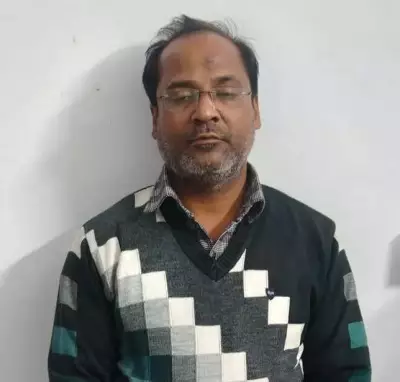

In a significant development in the long-dormant case of rap legend Tupac Shakur's murder, the legal team for the accused has launched a fierce challenge against the evidence gathered by police. The defence attorneys for Duane "Keffe D" Davis are seeking to have key evidence thrown out, arguing it was obtained during an "unlawful nighttime search" of his home.
Motion Filed Against "Misleading" Night Raid
This week, Las Vegas criminal defence lawyers Robert Draskovich and William Brown filed a formal motion on behalf of their client, Duane Davis. Davis was charged in September 2023 for the 1996 drive-by shooting that killed the iconic rapper near the Las Vegas Strip.
The motion contends that the judge who approved the search warrant for Davis's Henderson residence was given a "misleading portrait" of the suspect. The attorneys state the court was led to believe Davis was a dangerous, active drug dealer, justifying an exceptional nighttime search. Such searches are typically reserved for urgent situations where evidence might be destroyed if police wait until morning.
The Defence's Portrait of a Retired Grandfather
Challenging this narrative, Davis's lawyers paint a very different picture of their client at the time of the search. They assert that Davis, a former gang leader from Southern California, had left the narcotics trade back in 2008. Since then, he had worked in inspection roles for oil refineries.
By 2023, he was a 60-year-old retired cancer survivor, living peacefully with his wife in Henderson for nine years, and was a father and grandfather to adult children. "The court wasn't told any of this," the motion states, arguing the authorization for a night raid was based on a "clearly erroneous factual determination."
Police Strategy and the Defence's Counter-Narrative
The Las Vegas Metropolitan Police Department, which executed the warrant and seized electronic devices, alleged marijuana, and photo tubs, declined to comment citing pending litigation. Initially, police justified the night operation by saying darkness would help officers secure the area and safely evacuate neighbours if Davis barricaded himself.
Davis has pleaded not guilty to first-degree murder. His defence offers a startling theory for his arrest: they claim it stems from his own false public statements. They argue Davis repeatedly claimed, for personal benefit, to have been present in the white Cadillac from which Shakur was shot.
According to the motion, he used this story in a proffer agreement to avoid drug charges and later monetised it through documentaries and his 2019 book. "Shakur's murder was essentially the entertainment world's JFK assassination... so it's not hard to see why someone in Davis's position might falsely place himself at the center of it all for personal gain," his attorneys wrote. They insist he never provided concrete details that firmly place him in the vehicle that fateful night.
This legal manoeuvre represents a critical juncture in one of music history's most infamous unsolved cases, potentially determining what evidence can be used in the trial that has been nearly three decades in the making.