Trump's 'Board of Peace' for Gaza: Global Leaders Receive Invitations
The White House has officially announced the formation of a 'Board of Peace' for Gaza. This board will play a crucial role in implementing the 20-point plan proposed by President Donald Trump. The initiative aims to guide Gaza's transition from ongoing conflict toward a future of sustainable peace and economic development.
Key Global Figures on the Invitation List
Several prominent world leaders have received invitations to join this significant board. The list includes heads of state and government from diverse regions, highlighting the international scope of the peace effort.
From Asia, two notable leaders have been invited:
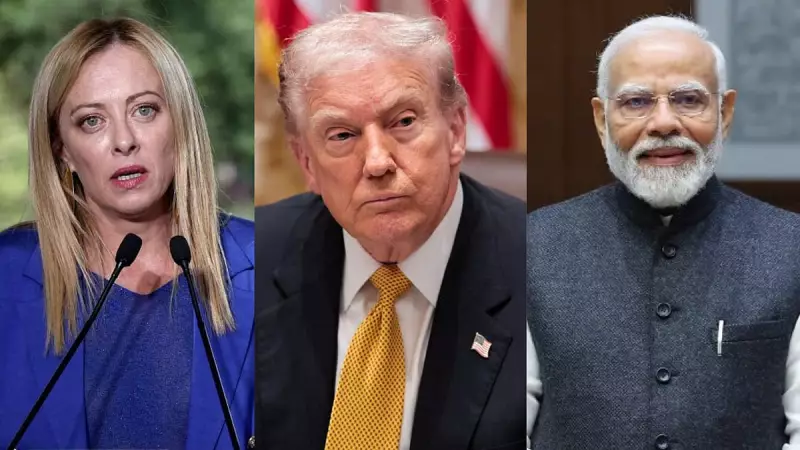
- India's Prime Minister Narendra Modi, representing a major global democracy with strategic interests in stability.
- Pakistan's Prime Minister Shehbaz Sharif, offering a perspective from a key regional player.
European representation comes from:
- Italy's Prime Minister Giorgia Meloni, bringing a European Union viewpoint to the table.
Other confirmed invites include:
- Australia's Prime Minister Anthony Albanese, adding a Pacific dimension to the discussions.
The Board's Mandate and Objectives
According to the White House statement, this board will serve an essential function. It will work diligently to fulfill all 20 points outlined in President Trump's comprehensive plan for Gaza. The focus will shift from managing conflict to fostering long-term peace and development in the region.
The board's formation signals a concerted effort to bring together international expertise and political will. By involving leaders like Modi, Sharif, and Meloni, the initiative seeks to build a broad coalition. This coalition will oversee the practical steps needed for Gaza's recovery and future prosperity.
The invitation process underscores the global importance of resolving the Gaza situation. Each invited leader brings unique diplomatic experience and regional influence to the peace process. Their collective involvement could pave the way for more stable and cooperative international efforts in the Middle East.
Observers note that the inclusion of both Indian and Pakistani leaders is particularly significant. It suggests an attempt to leverage South Asian diplomatic channels for Middle Eastern peace. Similarly, Meloni's invitation highlights the role of European partners in supporting development initiatives.
The White House expects the board to commence its work soon after confirmations from the invited leaders. The success of this endeavor will depend on active participation and collaborative decision-making among all members. The world will be watching closely as these global figures come together to address one of the most pressing humanitarian and political challenges of our time.