Trump Calls for International Action on Hormuz Crisis After Claiming Victory Over Iran
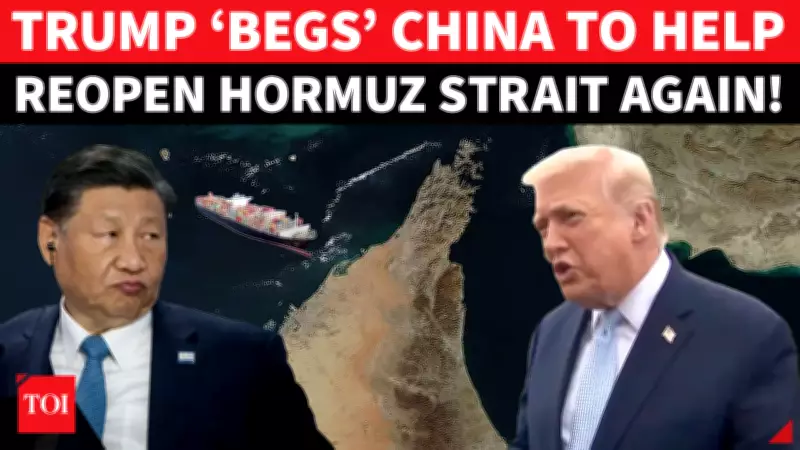
In a striking development amid escalating Middle East tensions, former US President Donald Trump has publicly urged global powers including China, NATO, and Japan to intervene and help secure the Strait of Hormuz. This critical maritime passage serves as a vital chokepoint for global oil transit, with any disruption posing severe economic risks worldwide.
Bold Military Claims and Diplomatic Appeals
Trump asserted that the United States has "defeated" Iran militarily, claiming that Iran's navy, air force, and air defense systems are now destroyed. Despite this declaration of victory, he emphasized the ongoing need for international cooperation to safeguard the strategic waterway.
"It would be nice if..." Trump remarked, highlighting the dependence of nations like China and Japan on the Strait for their energy supplies. His comments underscore a paradox: while portraying Iran as militarily neutralized, he recognizes the persistent geopolitical instability threatening global trade routes.

The Strategic Importance of the Strait of Hormuz
The Strait of Hormuz remains one of the world's most crucial maritime corridors, facilitating the transit of approximately one-fifth of global oil consumption. Its security is paramount for energy markets and international economic stability. Trump's appeal to NATO, China, and Japan reflects the shared stakes in preventing any blockade or conflict that could trigger oil price spikes and supply chain disruptions.
Escalating Regional Tensions and Global Concerns
Trump's remarks arrive against a backdrop of heightened Middle East conflicts, with recent incidents including attacks on energy sites and military facilities. These events have raised alarms over:
- Energy Security: Potential threats to oil and gas infrastructure affecting global supplies.
- International Cooperation: The role of major powers in de-escalating crises.
- Geopolitical Instability: Risks of broader regional warfare impacting trade and diplomacy.
The former president's call for action suggests a recognition that military achievements alone cannot guarantee economic security, necessitating collaborative efforts among key global players.
Implications for Global Powers
By specifically naming China, NATO, and Japan, Trump targets nations with significant economic interests in the region. China, as a major oil importer, relies heavily on Hormuz for energy; NATO members face security commitments; and Japan depends on stable Middle East supplies for its economy. This appeal places pressure on these entities to contribute to maritime security, potentially reshaping diplomatic engagements in the area.
As tensions simmer, the international community watches closely, balancing military postures with diplomatic initiatives to avert a full-scale crisis in one of the world's most volatile regions.