Trump Cancels Iran Talks and Urges Protesters to Seize Control
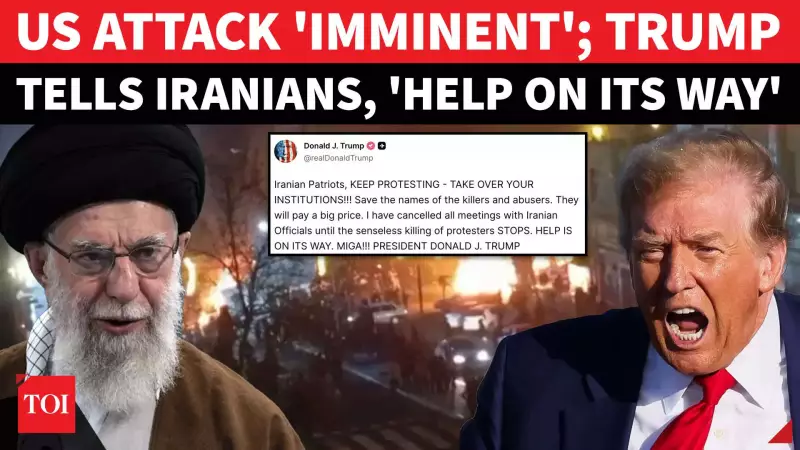
US President Donald Trump has delivered his strongest public message yet regarding the ongoing unrest in Iran. He directly addressed the protesters, urging them to continue their demonstrations and take over state institutions. This statement comes as security forces in Iran continue a deadly crackdown on the protests.
Trump's Direct Message to Iranian Protesters
In a post on his Truth Social platform, Trump told the Iranian people to "KEEP PROTESTING." He encouraged them to seize control of government institutions. Trump also announced that he has cancelled all meetings with Iranian officials. He issued a stark warning, stating that those responsible for killing protesters will "pay a big price." The President declared that "help is on its way," though he did not specify the nature of this assistance.
Global Reaction and Senator Graham's Interpretation
Trump's statement immediately captured global attention and raised sharp concerns among international observers. Republican Senator Lindsey Graham provided a significant interpretation of the message. Graham suggested that Trump's words refer to a potential wave of actions targeting Iran's leadership. These actions could include military strikes, cyber operations, and psychological campaigns.

Escalating Protests and Mounting International Pressure
Protests continue to spread across Iran, creating a volatile situation. Tehran now faces increasing international pressure as the crisis deepens. Analysts are expressing serious concerns about the current rhetoric. They warn that such strong language risks pushing the crisis into a far more dangerous phase. There is a real possibility that the confrontation could extend beyond Iran's borders, affecting regional stability.
The Broader Context of US-Iran Relations
This development occurs within the complex framework of US-Iran relations, which have been strained for years. Trump's administration has consistently taken a hardline stance against the Iranian government. The cancellation of talks represents a significant escalation in diplomatic tensions. The situation remains fluid, with potential implications for global security and Middle Eastern politics.
As events unfold, the world watches closely to see how Iran responds to these developments and what actions the United States might take next. The combination of domestic unrest and international pressure creates a precarious situation that demands careful monitoring.