Trump Calls for International Naval Escort in Strait of Hormuz Amid Rising Oil Tensions
In a significant move to address escalating global energy concerns, United States President Donald Trump has formally requested seven allied nations to provide naval escorts for commercial vessels transiting the strategic Strait of Hormuz. This demand comes as oil prices surge and fears of a looming crude shortage intensify, threatening economic stability worldwide.
Urgent Appeal for Maritime Security
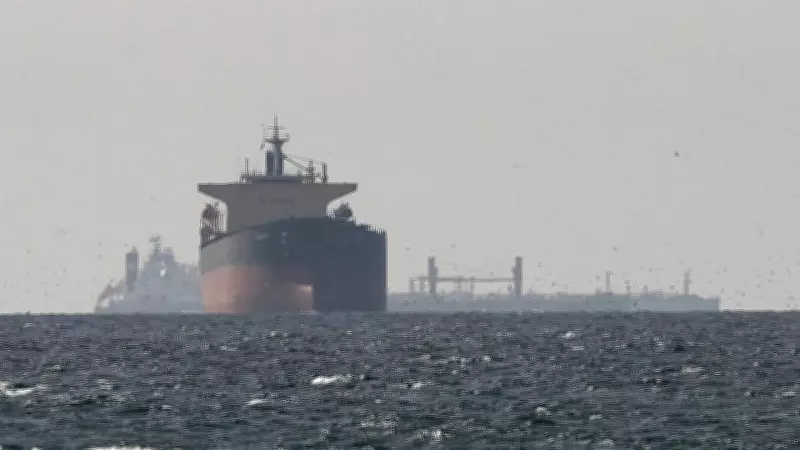
President Trump's appeal targets key international partners, including Britain, France, Japan, South Korea, and others, urging them to deploy warships to ensure the vital waterway remains open and secure. The Strait of Hormuz, a critical chokepoint in West Asia, facilitates the passage of approximately one-fifth of the world's oil supply, making its security paramount to global energy markets.
The request underscores the growing anxiety over regional tensions, particularly involving Iran, which has historically threatened to disrupt shipping in the area. By mobilizing a multinational naval force, the Trump administration aims to deter potential blockades and safeguard the free flow of oil, thereby stabilizing prices and preventing supply disruptions.
Allied Reluctance and Diplomatic Challenges
Despite the urgency of the situation, none of the seven nations have committed to the escort mission as of now. This hesitation reflects broader diplomatic complexities and concerns over escalating conflicts in the Middle East. Allies are weighing the risks of military involvement against the backdrop of volatile regional politics, with some fearing that such deployments could provoke further instability.
Observers note that the reluctance stems from multiple factors, including:
- Political sensitivities in engaging militarily in a tense region.
- Economic considerations, as nations assess the costs of sustained naval operations.
- Strategic calculations about the potential for unintended confrontations with Iran or other actors.
This lack of immediate commitment highlights the challenges in forging a cohesive international response, even as the economic stakes continue to rise with each uptick in oil prices.
Implications for Global Oil Markets and Economy
The ongoing uncertainty in the Strait of Hormuz has direct consequences for global oil markets. With prices already climbing due to supply fears, any disruption in this key passage could trigger a severe crude shortage, impacting industries and consumers worldwide. The Trump administration's push for naval escorts is seen as a proactive measure to mitigate these risks, but without allied support, its effectiveness remains in question.
As the situation develops, stakeholders are closely monitoring diplomatic efforts to secure commitments. The outcome could shape not only maritime security in West Asia but also the broader geopolitical landscape, influencing trade relations and energy policies across continents.