Trichy Traffic Fines: 78% of E-Challans Unpaid, Dues Mount to Rs 81.6 Crore
A staggering 78% of traffic fines issued through e-challans by Trichy city police since 2019 remain unpaid, with pending dues accumulating to approximately Rs 81.6 crore over the past seven years. This alarming statistic highlights a significant enforcement gap in the city's traffic management system.
Massive Gap Between Issued and Recovered Fines
Between 2019 and 2025, Trichy police issued challans totaling Rs 104.7 crore for various traffic and road violations. However, recovery efforts have yielded only about Rs 23 crore so far, leaving a substantial Rs 81.6 crore in unsettled penalties. This represents a recovery rate of just 22%, indicating systemic challenges in penalty collection.
Common Violations and Detection Methods
The e-challans cover a wide range of offences, including:
- Rash driving and dangerous maneuvers
- Driving without valid licence or registration documents
- Using mobile phones while operating vehicles
- Riding motorcycles without helmets
- Triple riding on two-wheelers
- Failure to wear seatbelts in four-wheelers
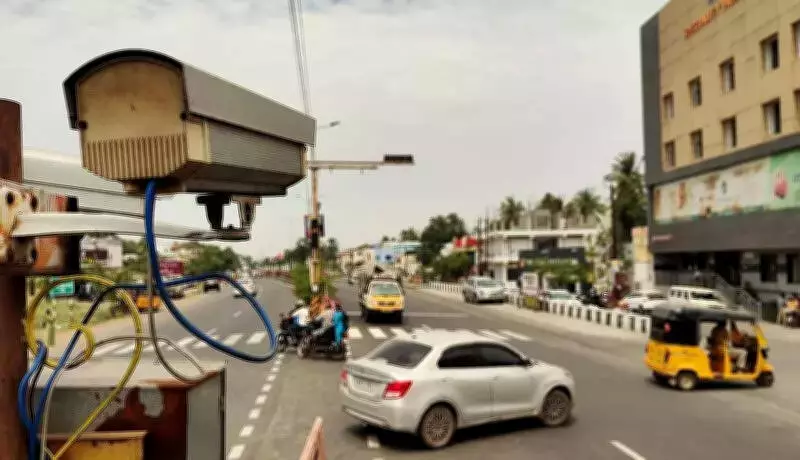
Violations are detected through two primary methods: traffic personnel on the ground and Automatic Number Plate Recognition (ANPR) cameras installed at strategic locations across the city. Once detected, challans are sent via SMS to mobile numbers linked with vehicle registration records, and fines can be paid online through designated portals including the Tamil Nadu police website.
Key Recovery Challenges Identified
Officials from both police and transport departments point to non-compliance by vehicle owners as the primary obstacle. "Many do not pay unless compelled during an RTO visit. Some even claim they were unaware of the challans," revealed a senior transport official.
The current system creates a major loophole: vehicle owners typically ignore fines until they need services from regional transport offices (RTOs). Only when applying for renewal of fitness certificates, changes to registration certificates, or payment of road tax do pending dues get flagged, with clearance required before processing applications.
Comparative Analysis with Other Cities
Data from the home department shows Trichy's 78% pending rate exceeds several other major Tamil Nadu cities:
- Coimbatore: 64.7% pending
- Tirunelveli: 71% pending
- Tiruppur: 73.1% pending
However, Trichy performs better than:
- Madurai: 86% pending
- Salem: 81.1% pending
This comparative analysis reveals varying enforcement effectiveness across different urban centers in the state.
Enforcement Gaps and Proposed Solutions
Police officials acknowledge that no dedicated mechanism exists to enforce timely payment of e-challans independent of transport department processes. In non-city jurisdictions, stricter measures including suspension or cancellation of licenses are employed for penalty recovery, but such approaches aren't consistently applied in urban areas.
Transport department officials clarified they do not intervene in e-challans issued by city police unless vehicle owners approach their offices for services. This creates a significant enforcement gap where fines can remain unpaid indefinitely without consequence.
Trichy City Police Commissioner N Kamini stated that the issue of mounting pending penalties would be examined, though specific proposed measures were not elaborated. Officials confirmed that steps are being explored to improve recovery rates and close existing loopholes in the penalty collection system.
Systemic Implications and Future Outlook
The massive accumulation of unpaid traffic fines raises questions about the effectiveness of digital enforcement systems when not backed by robust recovery mechanisms. The Rs 81.6 crore in pending dues represents not just lost revenue but also undermines traffic discipline when violators face no immediate consequences.
As urban centers increasingly adopt technology-driven enforcement through ANPR cameras and digital challan systems, the Trichy case highlights the critical need for integrated recovery mechanisms that ensure penalties translate to actual payments. Without such systems, the deterrent effect of traffic fines diminishes significantly, potentially compromising road safety objectives.