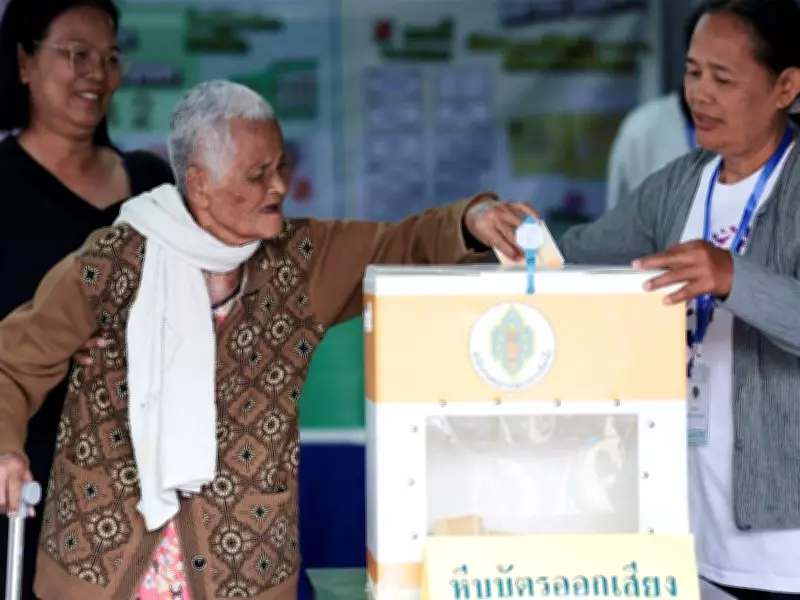
Thailand Conducts Dual General Election and Constitutional Referendum
In a significant political event, Thailand held a general election and a constitutional referendum simultaneously, drawing widespread attention both domestically and internationally. This dual voting process represents a critical juncture in the nation's efforts to navigate its complex political environment and address longstanding governance issues.
Historic Voting Day in Southeast Asia
The election saw Thai citizens casting ballots to elect new members of parliament, who will play a key role in forming the next government. Concurrently, the constitutional referendum allowed voters to express their opinions on proposed amendments to the country's charter, which could reshape the political framework and institutional structures.
This combined electoral process is notable for its potential to influence Thailand's democratic trajectory and stability in the region. Analysts highlight that the outcomes may impact not only domestic policies but also Thailand's relations with neighboring countries and global partners.
Key Aspects of the Election and Referendum
The general election focused on selecting representatives from various political parties, with campaigns centered on economic recovery, social welfare, and national security. Meanwhile, the constitutional referendum posed questions about changes to the legal foundation, including provisions related to executive powers, legislative processes, and checks and balances.
Voter turnout was closely monitored, with early reports indicating active participation across different demographics. Authorities implemented measures to ensure a smooth and transparent voting process, amid concerns about potential disruptions or controversies.Implications for Thailand's Political Future
The results of this dual vote are expected to have far-reaching consequences:
- Government Formation: The election results will determine the composition of the new parliament and the subsequent selection of the prime minister, influencing policy directions on issues like economic growth and international diplomacy.
- Constitutional Reforms: If the referendum approves the proposed changes, it could lead to significant alterations in Thailand's governance system, potentially addressing calls for greater transparency and accountability.
- Regional Stability: As a major player in Southeast Asia, Thailand's political developments are closely watched for their effects on regional cooperation and security dynamics.
Observers note that this event underscores Thailand's ongoing journey toward political normalization after periods of unrest and military influence. The international community, including organizations and foreign governments, has expressed interest in the outcomes, emphasizing the importance of peaceful and democratic transitions.
In summary, Thailand's simultaneous general election and constitutional referendum mark a pivotal moment in its political history, with voters playing a crucial role in shaping the nation's future through their choices on leadership and legal frameworks.