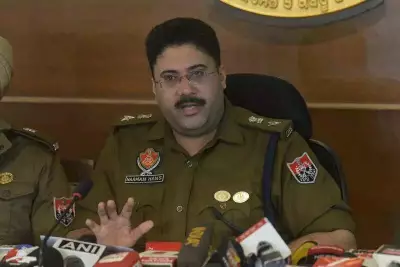
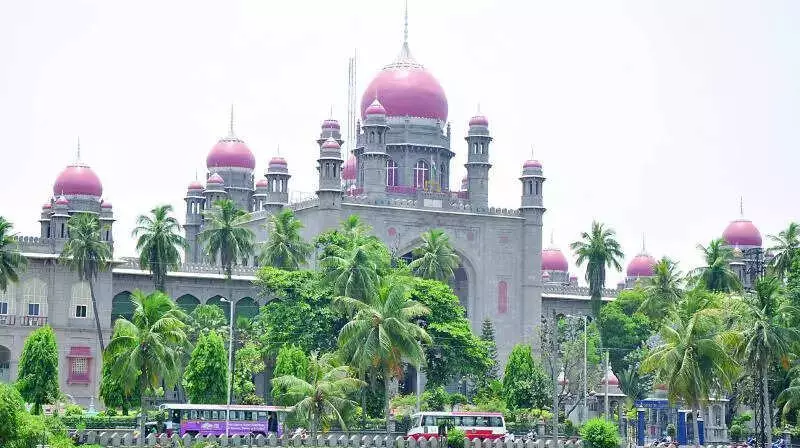
The Telangana High Court has expressed strong disapproval of the state home department for submitting an incomplete and inadequate counter affidavit in a significant case challenging the powers of police officers to issue search warrants. The court emphasized that the matter directly impacts personal liberties and demanded a proper, documented response from the state.
Bench Demands Clarity on Legal Authority
A division bench comprising Chief Justice Aparesh Kumar Singh and Justice GM Mohiuddin heard the petition on December 31. The bench pointed out that the state's three-page affidavit failed to substantiate how police commissioners or other officials are legally authorized to issue search warrants. The court specifically noted the affidavit did not reference the necessary provisions under the Code of Criminal Procedure (CrPC), 1973, or the new Bharatiya Nagarik Suraksha Sanhita (BNSS), 2023.
"You should have come with proper answers. Counters are often sketchy. There are no documents in the affidavits (filed by the state) most of the time," the bench observed. It questioned how the state could file such a brief affidavit when defending a challenge of this constitutional magnitude.
Petitioner's Allegations of Police Overreach
The petitioner, Vijay Gopal, who argued the case in person, contended that assistant commissioners of police and other officers were illegally assuming the powers of judicial magistrates by issuing search warrants. He argued that the authority to issue warrants lies exclusively with the executive magistracy, not the police.
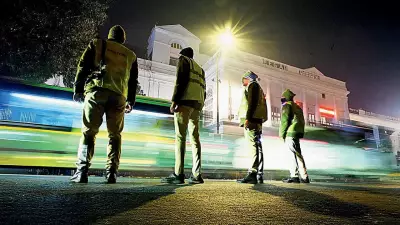
Gopal alleged that police were misusing Section 93 of the CrPC and Section 47 of the Hyderabad City Police Act to conduct cordon and search operations, often entering homes late at night to demand Aadhaar cards and identity proofs. He stated these actions, ostensibly for tracking extremists, terrorists, or illegal migrants, were leading to harassment and atrocities against certain sections of society. "Exercising such powers, which are lawfully entrusted with the executive, police are even conducting court proceedings," Gopal contended.
Court's Directive and Criticism of Common Practice
While acknowledging the hard work of the police for public safety, the bench was unequivocal about the procedural lapses. "We fail to understand why this practice is going on. There are no documents most of the time in the counter affidavits of the state," the judges remarked, highlighting that sketchy affidavits leave courts at a loss.
The bench has granted the Telangana state government two more weeks to file a comprehensive and improved counter affidavit, complete with all supporting documents and legal justifications. The matter has been adjourned for two weeks pending the state's revised submission.