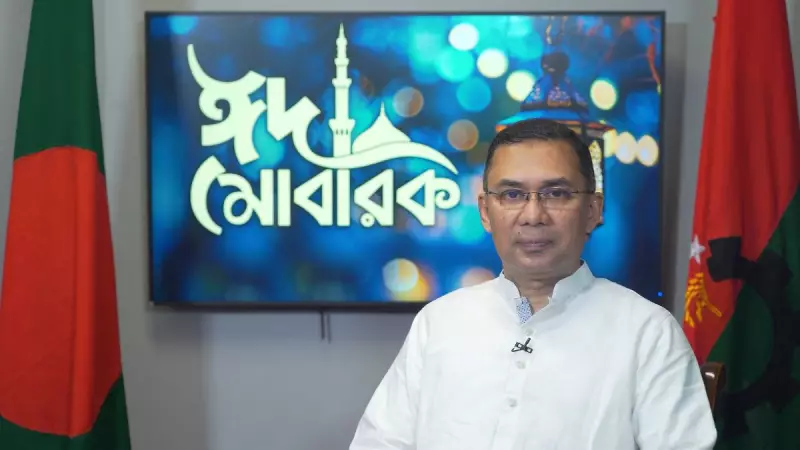
Bangladesh's political landscape is bracing for a seismic shift as Tarique Rahman, the acting chairman of the opposition Bangladesh Nationalist Party (BNP), prepares to return to Dhaka. His imminent arrival, scheduled for shortly after December 25, 2025, marks a critical juncture for the party as it gears up for the nation's crucial general elections.
A Long-Awaited Homecoming Amidst Political Unrest
Tarique Rahman, who has been living in exile in London for years, is finally making his way back to the heart of Bangladeshi politics. His return is not merely a personal journey but a strategic move orchestrated by the BNP leadership. The party views his physical presence in Dhaka as indispensable for mobilizing its support base and presenting a united front against the ruling Awami League government.
The decision comes after a period of significant political turmoil and unrest within the country. The BNP, along with other opposition groups, has been vocal in its demands for a neutral caretaker government to oversee the upcoming polls, a system that was abolished in 2011. Rahman's homecoming is expected to galvanize the party's campaign and intensify the political discourse surrounding electoral fairness.

Strategic Implications for the 2025 Elections
The 2025 Bangladesh polls are shaping up to be a decisive battle for the nation's future. The BNP, under Rahman's de facto leadership, is positioning itself to mount a formidable challenge. His return is a clear signal that the party is moving from a phase of external coordination to direct, on-ground leadership in the election run-up.
Analysts suggest that Rahman's presence could significantly alter the dynamics of the political campaign. It is anticipated to boost the morale of BNP activists and sympathizers who have long awaited the return of their senior leader, the son of former Prime Minister Khaleda Zia. However, his arrival also raises questions about potential legal and security challenges, given the historical tensions between the BNP and the current administration.
Navigating Challenges and Future Scenarios
The path ahead for Tarique Rahman and the BNP is fraught with both opportunity and risk. The party's strategy hinges on leveraging his return to consolidate its position and attract undecided voters. Key to their campaign will be focusing on issues of governance, economic challenges, and their core demand for a transparent electoral process.
Meanwhile, the ruling establishment is likely to closely monitor the situation. The political unrest in Bangladesh has often centered around electoral legitimacy, and Rahman's high-profile return is certain to add a new layer of complexity to an already volatile environment. The coming weeks will be crucial in determining whether this move translates into a significant electoral advantage for the opposition or leads to further political polarization.
As the countdown to the 2025 elections begins, all eyes are on Dhaka. The return of Tarique Rahman is more than a personal event; it is a political gambit that could redefine the contours of Bangladesh's democracy and determine the nation's trajectory for the next five years.