Supreme Court Raises Alarm Over Police Social Media Uploads
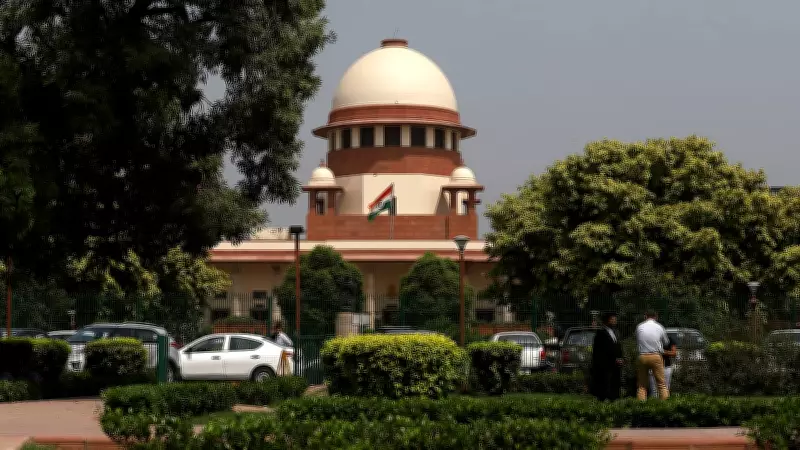
The Supreme Court of India has voiced significant concern regarding the practice of law enforcement agencies uploading videos and photographs of accused individuals on social media platforms. The apex court emphasized that this growing trend poses a serious threat to the fundamental right to a fair trial and risks creating widespread prejudice in the public mind.
Bench Hears PIL Alleging Bias Creation
A bench of the Supreme Court was hearing a Public Interest Litigation (PIL) that specifically alleged that police departments across various states are routinely posting visual content of suspects and accused persons on platforms like Facebook, X (formerly Twitter), and Instagram. The PIL argued that this digital exposure, often occurring before or during legal proceedings, effectively creates a pre-judgment scenario among the general populace, undermining the principle of 'innocent until proven guilty'.
Core Concerns Highlighted by the Court
The court's observations pointed to several critical issues:

- Pre-Trial Publicity: The dissemination of such material can amount to a form of pre-trial publicity, potentially influencing witnesses, jurors, and even judicial officers.
- Violation of Privacy and Dignity: Uploading images and videos may violate the privacy and dignity of the accused, regardless of the eventual legal outcome.
- Erosion of Fair Trial Guarantees: The practice directly challenges constitutional guarantees under Article 21, which ensures the right to life and personal liberty, including a fair and impartial trial.
- Creation of Irreversible Bias: Once content is viral online, it becomes nearly impossible to erase the public perception it creates, making a neutral trial environment difficult to achieve.
Context and Legal Implications
This judicial intervention comes at a time when social media is increasingly used by authorities for public communication and transparency. However, the court highlighted the fine line between informative updates and actions that compromise legal processes. The bench indicated that while technology offers new tools for law enforcement, its use must be carefully regulated to prevent miscarriages of justice. The PIL hearing underscores the need for clear guidelines or protocols governing how and when police can share investigative material publicly, especially in the digital age where information spreads instantaneously.
The Supreme Court's remarks are expected to prompt discussions on formulating stricter digital media policies for police forces nationwide, balancing operational transparency with the sacrosanct right to a fair trial for every citizen.