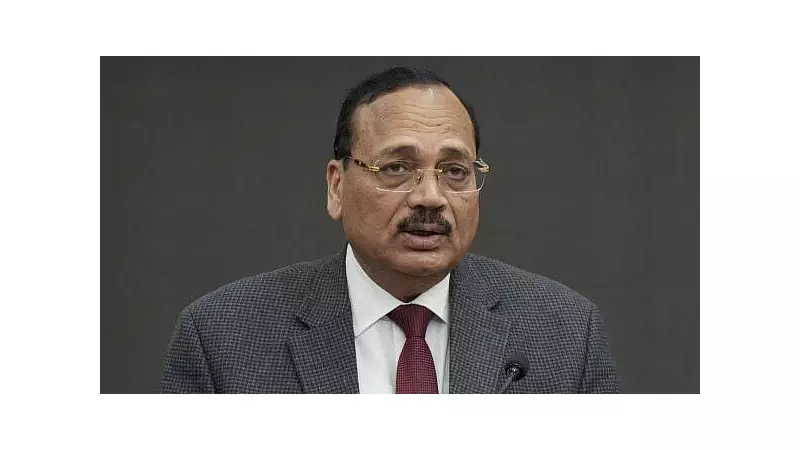
Chief Justice of India (CJI) Justice Surya Kant has issued a significant directive to lawyers, emphasising the role of the Supreme Court Registry in managing case listings. The CJI stated that the Registry will now undertake a thorough scrutiny of urgent matters to ensure they are listed in accordance with their priority and necessity.
Registry's Enhanced Role in Case Management
In a move aimed at streamlining judicial process, the Chief Justice clarified the procedure for handling cases that require immediate attention. The Supreme Court Registry has been entrusted with the responsibility of examining the urgency claimed in various petitions and applications. This step is designed to create a more efficient and transparent system for listing cases before the appropriate benches, especially during non-regular court periods.
The instruction from the top judge came as a guidance to the legal fraternity, setting clear expectations on how urgent mentions would be processed. The mechanism ensures that only genuinely pressing matters that cannot wait for the regular court reopening are fast-tracked through the system.

Special Vacation Benches in Operation
This directive aligns with the current functioning of the Supreme Court during its vacation period. The court is presently holding special vacation benches, constituted specifically to address matters that demand immediate hearing and cannot be postponed. These benches are a traditional feature of the Supreme Court calendar, ensuring that the administration of justice continues uninterrupted even during official breaks.
The decision to operationalise these benches, as noted, was taken keeping in view the urgency in certain matters that arise unexpectedly and require the court's intervention without delay. The Registry's enhanced scrutiny will directly support the work of these vacation benches by filtering and prioritising the case load.
Implications for the Legal Process
The CJI's instructions underscore a proactive approach to case management. By empowering the Registry to assess urgency, the court aims to prevent potential misuse of the urgent mentioning system and ensure that the precious time of the vacation benches is dedicated to cases of genuine emergency. This process is expected to bring more discipline and order to the listing of cases during the court recess.
This development, reported on 22 December 2025, highlights the Supreme Court's ongoing commitment to maintaining access to justice while optimising its internal administrative procedures. The legal community has welcomed this clarification, which promises a more structured approach to handling urgent legal remedies.