Supreme Court Delivers Landmark Ruling on Women Officers' Permanent Commission
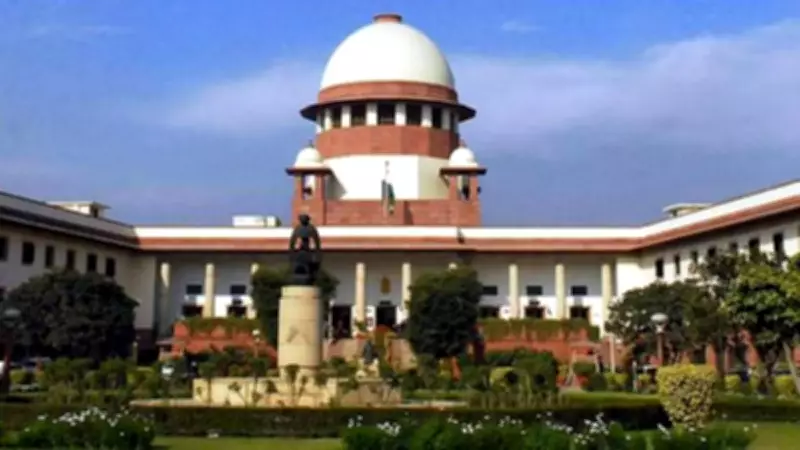
In a significant judgment that reinforces gender equality in the armed forces, the Supreme Court of India has ruled that women Short Service Commission (SSC) officers are entitled to permanent commission. This decision marks a pivotal moment in the ongoing efforts to ensure equal opportunities for women in the military, addressing long-standing disparities in service terms.
Details of the Supreme Court's Decision
The Supreme Court's ruling clarifies that women SSC officers must be granted permanent commission on par with their male counterparts. This entitlement applies across various branches of the armed forces, including the Army, Navy, and Air Force, where women serve in non-combat roles. The court emphasized that denying permanent commission to women officers violates constitutional principles of equality and non-discrimination.
The judgment stems from petitions filed by women officers challenging the previous policies that limited their service to short-term commissions. These policies often forced women to retire after a specified period, unlike male officers who could opt for permanent commission and serve until retirement age. The Supreme Court noted that such practices were outdated and did not align with modern norms of gender justice.

Implications for Gender Equality in the Armed Forces
This ruling is expected to have far-reaching implications for gender equality within the Indian armed forces. By granting permanent commission to women SSC officers, the court has opened up avenues for longer careers, promotions, and leadership roles that were previously restricted. It also sets a precedent for future policies, encouraging the integration of women into more strategic and command positions.
The decision underscores the importance of merit-based evaluations over gender-based distinctions in military service. Women officers have demonstrated their capabilities in various roles, and this ruling acknowledges their contributions by ensuring equal treatment in terms of career progression and benefits.
Background and Legal Context
The issue of permanent commission for women officers has been a contentious topic for years. In 2020, the Supreme Court had already directed the government to grant permanent commission to women officers in the Army, but this latest ruling extends and solidifies those principles for SSC officers specifically. The court referenced previous judgments and international standards on gender equality to support its decision.
Key points from the ruling include:
- Women SSC officers are entitled to permanent commission without discrimination.
- The armed forces must implement this ruling promptly to ensure compliance.
- Future recruitment and service policies should incorporate gender-neutral criteria.
Reactions and Future Steps
Reactions to the Supreme Court's decision have been largely positive, with advocates for gender equality hailing it as a milestone. Women officers and veterans have expressed hope that this will lead to more inclusive practices in the military. However, challenges remain in terms of implementation, including potential resistance and logistical adjustments within the armed forces.
The government and military authorities are now expected to revise their policies to align with the court's directive. This may involve updating recruitment rules, training programs, and promotion criteria to fully integrate women officers into permanent roles. The ruling also calls for ongoing monitoring to ensure that gender equality is upheld in practice, not just in theory.
In conclusion, the Supreme Court's ruling on women SSC officers' entitlement to permanent commission is a crucial step toward achieving gender parity in India's armed forces. It reflects a broader societal shift towards recognizing and valuing the contributions of women in all sectors, including defense. As the armed forces adapt to this change, it is hoped that this decision will inspire further reforms to foster a more equitable and effective military system.