Supreme Court Upholds Widow's Right to Maintenance from Father-in-Law's Estate
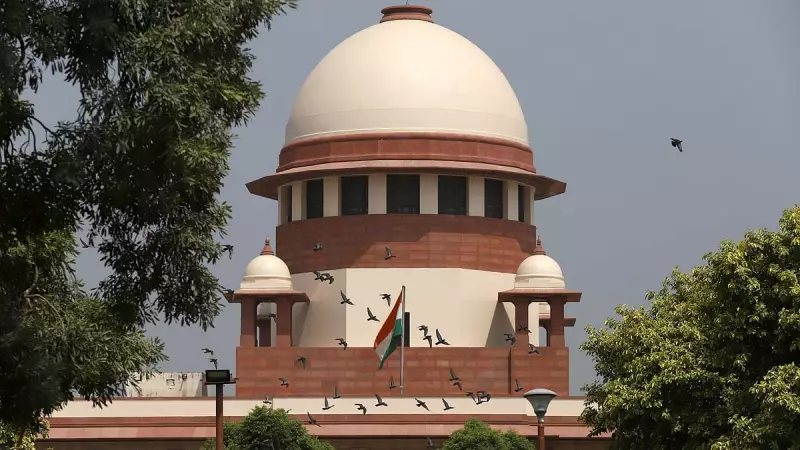
The Supreme Court of India delivered a significant ruling on January 13, 2026. The court declared that a widow possesses a legal right to claim maintenance from her father-in-law's estate. This decision reinforces the obligation of legal heirs to provide for all dependent individuals using inherited property.
Court's Rationale on Maintenance Obligations
In its judgment, the Supreme Court clarified the responsibilities of a son or other legal heirs. They must maintain all dependent persons from the estate they inherit. This includes anyone whom the deceased person had a legal or moral duty to support during their lifetime.
The court emphasized that this obligation extends beyond immediate family members. It covers all individuals who relied on the deceased for their livelihood and well-being. The ruling aims to prevent financial hardship for vulnerable dependents after a family member's death.

Implications for Legal Heirs and Estate Management
This Supreme Court decision has several important implications:
- Legal heirs must allocate funds from inherited estates to support widows and other dependents.
- The maintenance obligation is binding regardless of the estate's size or value.
- Courts can enforce these rights if legal heirs fail to provide adequate support.
The ruling strengthens the legal protection available to widows across India. It ensures they receive financial security even after their husband's passing. This is particularly crucial in cases where the widow lacks independent income sources.
Broader Context of Dependent Support
The Supreme Court's judgment reflects India's commitment to social justice. It aligns with existing laws that protect the rights of dependent family members. The court noted that moral responsibilities often translate into legal obligations in matters of family support.
Legal experts anticipate this ruling will influence future cases involving estate disputes and maintenance claims. It sets a clear precedent for how courts should interpret the duties of legal heirs toward dependents.
The decision arrived after careful consideration of relevant laws and previous judicial interpretations. The Supreme Court bench examined the fundamental principles governing inheritance and family support systems in India.
This ruling marks another step toward ensuring economic justice for vulnerable populations within family structures. It underscores the judiciary's role in upholding the rights of those who might otherwise face neglect or financial insecurity.