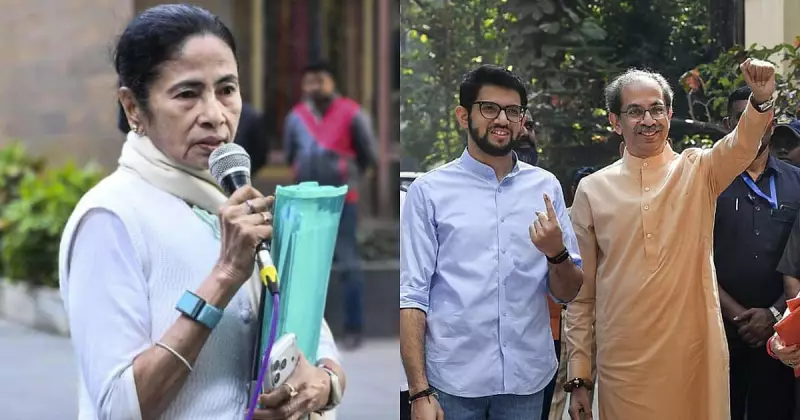
Supreme Court Issues Stern Warning Over Mamata Banerjee's I-PAC Raid Interference
The Supreme Court of India delivered a sharp rebuke today regarding West Bengal Chief Minister Mamata Banerjee's alleged interference in raids conducted by the Indian Political Action Committee (I-PAC). In a strongly worded statement, the apex court warned that such actions could lead to "lawlessness" if left unchecked.
Court's Concerns Over Executive Overreach
During the proceedings, the Supreme Court justices expressed deep concern over what they described as executive interference in investigative processes. The court emphasized that allowing political figures to obstruct lawful raids sets a dangerous precedent. This intervention, according to legal experts, undermines the autonomy of investigative agencies and threatens the rule of law.
The I-PAC raids, which are part of an ongoing investigation, have become a focal point of political tension. The Supreme Court's remarks highlight the delicate balance between political authority and judicial oversight in India's democratic framework.

Maharashtra Civic Polls Marred by Indelible Ink Controversy
In a separate development, Maharashtra's civic elections faced significant disruption due to controversies surrounding indelible ink. Reports indicate that technical issues and alleged mismanagement with the ink used to mark voters led to confusion and delays at polling stations across the state.
Election officials struggled to address complaints from voters who claimed the ink was easily removable or improperly applied. This incident has raised questions about the preparedness and integrity of the electoral process in these crucial local body polls.
Broader Implications for Democratic Processes
These two events, though unrelated, collectively underscore challenges facing India's democratic institutions. The Supreme Court's intervention in West Bengal serves as a reminder of the judiciary's role in curbing potential abuses of power. Simultaneously, the Maharashtra ink row exposes vulnerabilities in election administration that could affect voter confidence.
Political analysts suggest that such incidents may influence public perception ahead of future elections. Ensuring transparent and unimpeded legal and electoral processes remains paramount for maintaining democratic norms.
As these stories develop, stakeholders from across the political spectrum are calling for thorough investigations and corrective measures. The outcomes could have lasting effects on governance and electoral practices in India.